



BetPro Coders
-
Posts
56 -
Joined
-
Last visited
Recent Profile Visitors
2780 profile views





BetPro Coders's Achievements

Fresh Gambler (2/8)
4
Reputation
-
 proheemph reacted to a post in a topic:
Sports, Live Casino Games, Clone Scripts , API, Betting Tips & More
proheemph reacted to a post in a topic:
Sports, Live Casino Games, Clone Scripts , API, Betting Tips & More
-
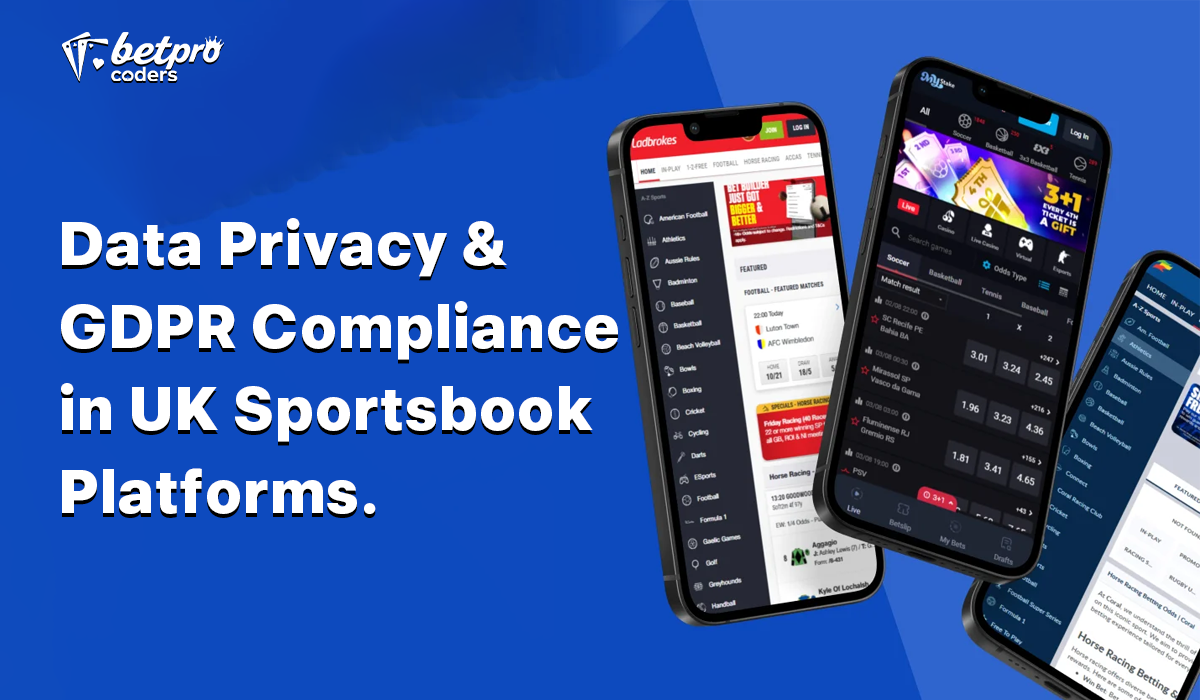
 The UK online gaming sector has evolved into one of the most regulated and closely monitored digital industries in Europe. As platforms expand, process larger volumes of user data, and adopt advanced technologies such as blockchain and AI-driven personalization, data privacy and GDPR compliance have become central to sustainable growth. For developers, operators, and digital product teams, understanding how GDPR applies to online gaming platforms is no longer optional—it is foundational to trust, reputation, and long-term scalability. Why Data Privacy Matters in UK Digital Gaming Ecosystems Growth of Regulated Online Gaming in the UK The UK digital gaming market continues to grow steadily, driven by mobile adoption, immersive user experiences, and advanced payment systems. With growth comes increased responsibility. Platforms now handle vast volumes of personal, financial, and behavioral data every day. As user bases expand, regulatory expectations also rise. Data protection is no longer just a legal checkbox—it is part of operational excellence. Rising Scrutiny on Data Handling Practices Regulators, payment providers, and users are paying closer attention to how platforms collect, store, and process personal information. Data misuse, poor encryption standards, or unclear privacy policies can quickly lead to penalties and reputational damage. Search engines also favor secure and transparent platforms, making privacy compliance important for organic visibility and brand credibility. Why Compliance Impacts Trust, Retention, and Partnerships Users are more likely to stay engaged with platforms that clearly communicate their data protection policies. Payment providers, marketing partners, and affiliates prefer working with platforms that demonstrate structured compliance frameworks. In today’s environment, trust equals retention. Understanding GDPR in the Context of UK Gaming Platforms What Is GDPR and UK GDPR? The General Data Protection Regulation (GDPR) is a comprehensive data protection framework that governs how personal data is processed within the UK and European regions. Following Brexit, UK GDPR continues to apply domestically, aligned closely with EU standards. For gaming platforms, this means strict requirements around user consent, data storage, and transparency. Key GDPR Principles Relevant to Gaming Platforms Lawfulness, Fairness, and Transparency User data must be collected legally and explained clearly through privacy notices. Purpose Limitation Data collected for one purpose cannot be reused for unrelated activities without proper justification. Data Minimisation Platforms should only collect the information necessary for delivering services. Storage Limitation Personal data should not be retained longer than required. Integrity and Confidentiality Strong security measures must protect user data against unauthorized access or breaches. Types of User Data Collected by Online Gaming Platforms Identity and Account Information This includes names, email addresses, dates of birth, and account credentials. Identity verification processes also require official documentation for compliance purposes. Payment and Transaction Data Platforms process card details, bank transfers, digital wallets, and crypto transactions. Payment data is highly sensitive and requires strict encryption and tokenization methods. Behavioural and Usage Analytics User interaction data—such as session time, feature usage, and engagement patterns—is often collected to improve product performance and personalize experiences. Device and Technical Data IP addresses, browser information, operating systems, and device identifiers help detect fraud and ensure security. Blockchain Wallet and On-Chain Data (If Applicable) In blockchain-based gaming platforms, wallet addresses and transaction hashes may be processed. Although pseudonymous, such data can still fall under GDPR if linked to identifiable individuals. Legal Bases for Processing User Data Consent-Based Processing Users must provide clear and informed consent before data is collected for marketing or tracking purposes. Contractual Necessity Certain data is processed because it is essential for delivering gaming services, such as account management and payment handling. Legal Obligation (KYC / AML Alignment) Identity verification and anti-money laundering requirements may mandate specific data collection practices. Legitimate Interest Assessment Platforms may process data under legitimate interest, provided it does not override user rights and is properly documented. Core GDPR Requirements for UK Gaming Platforms Data Protection by Design and by Default Privacy considerations should be integrated into platform architecture from the earliest development stages. Default settings should favor minimal data exposure. Data Protection Impact Assessments (DPIAs) DPIAs evaluate high-risk data processing activities and help mitigate potential privacy risks before launch. Appointment of a Data Protection Officer (DPO) Depending on the scale of operations, platforms may need to appoint a DPO to oversee compliance and regulatory communication. Record-Keeping and Audit Trails Maintaining detailed processing records ensures accountability and simplifies regulatory audits. User Rights Under GDPR and Platform Responsibilities Right to Access Users can request a copy of their personal data. Right to Rectification Incorrect or outdated information must be corrected promptly. Right to Erasure Users may request deletion of their personal data, subject to legal retention obligations. Right to Data Portability Users can request their data in a machine-readable format. Automated Decision-Making Transparency If AI or automated profiling affects users, platforms must explain the logic behind such decisions. Data Security and Encryption Standards in Gaming Infrastructure Encryption in Transit and At Rest Transport Layer Security (TLS) protects data in motion, while database encryption safeguards stored information. API Security and Access Controls Secure APIs prevent unauthorized data extraction. Role-based access ensures employees only access necessary information. Multi-Factor Authentication MFA adds an extra layer of protection for both users and administrators. Secure Wallet and Payment Handling Tokenization and secure payment gateways reduce exposure to financial data breaches. Blockchain Gaming and GDPR: Compatibility Challenges Immutability vs Right to Erasure Blockchain’s permanent ledger conflicts with the GDPR right to deletion. Hybrid models often store personal data off-chain. On-Chain vs Off-Chain Storage Strategies Sensitive information is typically stored in centralized databases, while blockchain stores transactional proofs. Pseudonymisation and Anonymisation Techniques Data can be masked or hashed to reduce identification risks while maintaining analytical value. Third-Party Vendors and Cross-Border Data Transfers Data Processing Agreements (DPAs) All vendors handling personal data must sign structured agreements outlining responsibilities. UK Adequacy Decisions Data transfers to approved countries simplify compliance. Standard Contractual Clauses (SCCs) For non-adequate jurisdictions, SCCs provide a lawful transfer mechanism. Cookie Policies, Tracking, and Marketing Compliance Consent Management Platforms (CMPs) CMPs allow users to manage cookie preferences easily. Analytics and Retargeting Transparency Tracking tools must clearly explain their purpose and obtain prior consent. Email and Promotional Communications Compliance Marketing messages require opt-in consent and easy opt-out mechanisms. Common GDPR Risks in Online Gaming Platforms Excessive Data Collection Collecting unnecessary information increases legal exposure. Weak Vendor Oversight Third-party mismanagement can trigger compliance violations. Insecure API Integrations Poorly secured integrations can expose sensitive data. Data Breach Response Failures Delayed incident reporting can result in regulatory penalties. Building a GDPR-Ready Compliance Framework Internal Governance Structure Clear data ownership roles ensure accountability. Regular Security Audits Periodic penetration testing and system reviews strengthen resilience. Incident Response Plan A structured breach response protocol reduces impact and ensures timely reporting. Staff Training and Awareness Educating teams on data protection principles prevents accidental violations. Future Trends in Privacy Regulation for Digital Gaming ePrivacy Regulation Upcoming privacy rules may further regulate cookies and digital communications. AI Governance and Automated Profiling AI transparency and algorithm accountability will become central compliance requirements. Privacy-Enhancing Technologies (PETs) Technologies such as secure multi-party computation and differential privacy are emerging as advanced data protection tools. Conclusion Data privacy and GDPR compliance are no longer peripheral considerations for UK online gaming platforms—they are central pillars of operational integrity and long-term success. From secure APIs and encrypted wallets to consent management and blockchain compatibility, every layer of platform architecture must align with privacy regulations. For developers and operators building scalable digital gaming ecosystems, embedding compliance into system design ensures stronger partnerships, higher user trust, and sustainable growth. Companies with deep technical expertise and regulatory understanding, such as BetProCoders, help gaming platforms design secure, compliant, and future-ready infrastructures that align with UK GDPR requirements while maintaining performance and scalability in competitive digital markets.
-
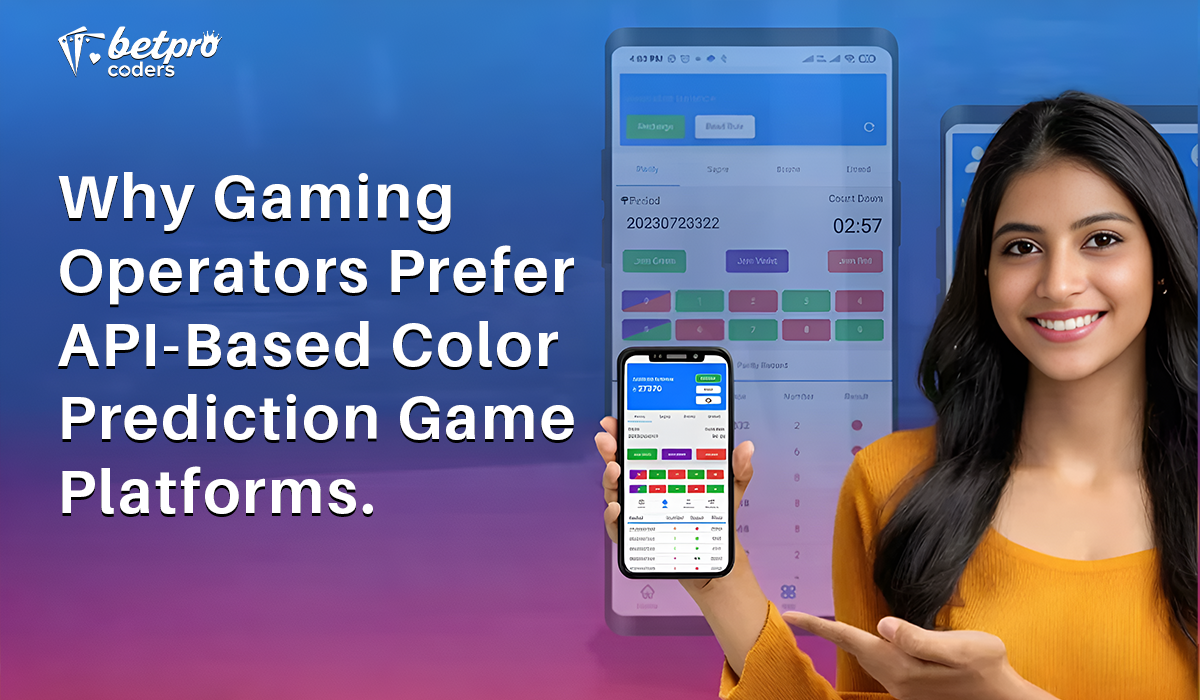
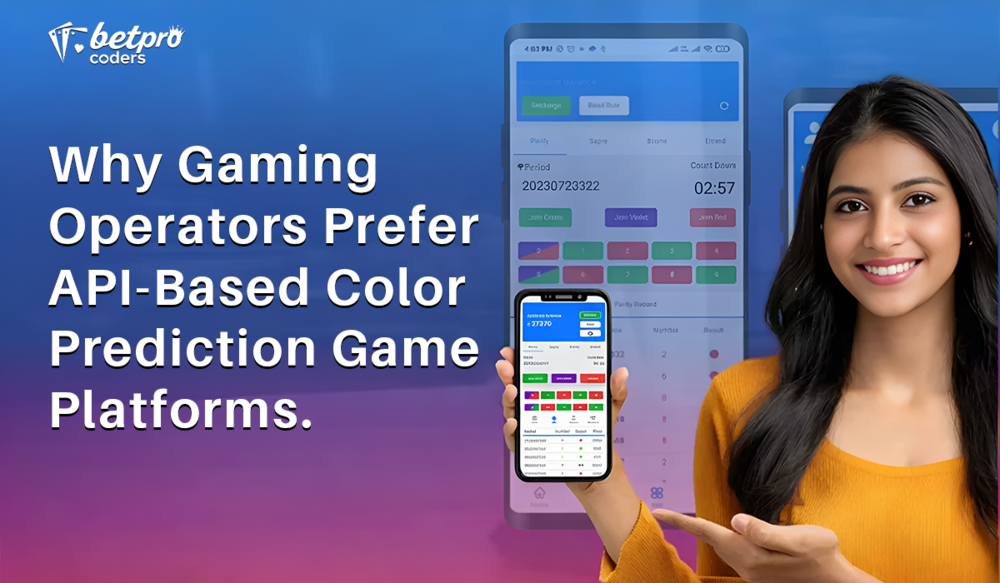
Introduction: The Rise of Real-Time Color Prediction Games Over the past few years, real-time color prediction games have gained massive traction across digital gaming ecosystems. These games are lightweight, fast, and designed for short engagement cycles. Unlike complex strategy-based titles, color prediction formats focus on quick rounds, simple choices, and instant results. This makes them ideal for modern users who prefer fast-paced digital experiences. The growth of mobile-first gaming has accelerated this trend. Today’s players often engage in micro-sessions—short bursts of gameplay during commutes, breaks, or downtime. They expect smooth performance, instant feedback, and minimal loading time. In this environment, infrastructure matters more than visual design. Even the most polished interface cannot compensate for lag, sync issues, or slow round processing. That is why gaming operators increasingly prefer API-based color prediction game platforms. These systems are built for speed, flexibility, and scalability from the ground up. What Is an API-Based Color Prediction Game Platform? Core Platform Concept An API-based color prediction game platform is built on an API-first architecture. Instead of combining all logic, interface, and processing into a single system, it separates the frontend user experience from the backend game engine. The frontend handles: User interface Round visuals Animations and dashboards The backend API layer manages: Round generation Outcome logic Wallet updates Event synchronization This separation ensures that the platform remains flexible and easy to upgrade. How API-Based Systems Differ from Monolithic Game Builds Traditional monolithic builds bundle everything together in one system. While this approach may work for small projects, it limits growth. API-based systems offer: Flexibility – Developers can modify frontend design without disrupting core logic. Scalability – Backend services scale independently under high user load. Integration Speed – External tools like wallets, analytics, and blockchain systems connect quickly through structured endpoints. For operators targeting growth, this modular structure becomes a strategic advantage. Key Reasons Operators Prefer API-Based Platforms Faster Time-to-Market In the digital gaming industry, speed matters. API-based color prediction platforms come with ready-to-integrate endpoints. This reduces backend development time significantly. Teams can focus on branding, user acquisition, and optimization rather than rebuilding core infrastructure. Scalability for High Concurrency High user concurrency is common during promotional events or peak traffic hours. API-driven systems use event-based infrastructure and real-time synchronization to handle thousands of simultaneous sessions without delay. Each user’s round updates instantly, maintaining a smooth and consistent experience. Modular Integration with Wallets and Blockchain Modern gaming platforms often support token-based transactions and blockchain connectivity. API-based systems make it easier to integrate: Digital wallets Tokenized reward systems Smart contract validation This modular integration allows operators to expand their ecosystem without rebuilding the platform. Cross-Platform Deployment API-driven architecture ensures compatibility across: Web applications Mobile browsers Progressive Web Apps (PWA) Users can switch devices without losing session continuity. Technical Architecture Behind API-Based Color Prediction Games Game Logic Engine The game logic engine is the heart of the system. It handles: Round generation Outcome processing Event triggers Fairness algorithms Each round is generated using secure logic models designed to ensure unpredictability and transparency. Real-Time Event Streaming WebSocket connections enable real-time communication between server and client. This ensures: Low-latency updates Instant round countdown synchronization Live result announcements Real-time event streaming keeps gameplay responsive and engaging. Wallet and Transaction APIs Wallet APIs manage: Balance synchronization Instant credit and debit updates Transaction logs Accurate wallet processing is critical for maintaining trust and ensuring smooth gameplay. Smart Contract and Blockchain Layer (Optional) Some platforms integrate blockchain technology for on-chain validation. This provides: Transparent outcome verification Publicly auditable records Increased trust through decentralization Blockchain layers add an extra level of integrity for advanced gaming ecosystems. Performance and Reliability Advantages Load Balancing and Auto-Scaling Load balancers distribute traffic evenly across servers. Auto-scaling ensures that additional resources activate automatically during high demand. This prevents slowdowns during peak activity. Edge Delivery and CDN Optimization Content Delivery Networks reduce latency by delivering content from servers closest to users. This improves: Page load speed Round transitions Visual performance Server Redundancy and Failover Mechanisms Redundant servers ensure that if one node fails, another instantly takes over. This keeps the platform stable even during unexpected issues. Security and Fairness Framework Provably Fair Algorithms Modern color prediction platforms often implement provably fair systems. These allow users to verify that outcomes are generated fairly and not manipulated. Encryption and Secure API Authentication Secure API authentication and encrypted communication protect user data and prevent unauthorized access. Anti-Manipulation and Risk Controls Advanced monitoring systems detect irregular patterns and maintain platform integrity. Player Engagement and Retention Benefits Instant Round Cycles Short and frequent rounds create continuous engagement. Users remain active because they do not have to wait long between sessions. Gamification APIs Gamification elements such as leaderboards, streak rewards, and achievements integrate seamlessly through APIs. Loyalty and Reward System Integration Reward engines connect directly with the platform, enabling: Bonus credits Cashback systems Tier-based loyalty programs These features improve long-term retention. API-Based Model vs Traditional Game Architecture Development Cost Comparison API-based systems reduce development costs by reusing structured components. Traditional builds require more time and resources. Maintenance and Update Flexibility With modular APIs, updates can be rolled out without shutting down the entire system. Long-Term Scalability API-driven platforms grow more efficiently. New features integrate without major disruptions. Integration Considerations for Developers Authentication and API Keys Secure API keys control access and protect endpoints. Rate Limits and Request Handling Managing request limits ensures performance stability. Frontend Synchronization Proper synchronization guarantees that all users see consistent round timers and outcomes. Analytics and Tracking Hooks API hooks enable data tracking for: User behavior Session duration Engagement metrics This data supports growth optimization. Common Challenges in API-Based Color Prediction Platforms Latency in High Traffic Heavy traffic can cause delays if infrastructure is not optimized. Wallet Sync Delays Improper wallet integration may result in temporary balance mismatches. Blockchain Network Congestion When blockchain layers are used, network congestion may affect transaction confirmation times. Regulatory and Regional Compliance Operators must align with regional digital gaming regulations and ensure data protection compliance. Future Trends in API-Driven Prediction Gaming AI-Based Outcome Modeling AI tools are being used to improve system monitoring and detect anomalies. Multi-Chain Gaming Ecosystems Supporting multiple blockchain networks increases flexibility. Cross-Game API Interoperability Unified APIs may connect different mini-games within a single ecosystem. Decentralized Infrastructure Decentralized hosting models can improve transparency and resilience. Final Evaluation Framework for Gaming Operators API-based color prediction game platforms make strategic sense when: Rapid deployment is required High concurrency is expected Modular blockchain integration is needed Cross-platform accessibility is a priority Custom infrastructure may be more suitable when: Unique gameplay mechanics are required Proprietary technology is being developed Deep customization beyond API capabilities is necessary Long-term scalability should remain the central consideration. Infrastructure must evolve with user growth and technological changes. Conclusion API-based color prediction game platforms represent a modern, scalable approach to real-time digital gaming. They offer flexibility, speed, security, and cross-platform compatibility—qualities essential for operators aiming to build competitive gaming ecosystems. From modular architecture to blockchain-ready integration, API-driven systems provide the technical backbone required for high-performance gaming experiences. Operators who prioritize infrastructure over surface-level features often achieve stronger user retention and long-term growth. For gaming businesses looking to build robust and scalable API-driven platforms, partnering with experienced development companies like BetProCoders ensures reliable architecture, secure integration, and future-ready gaming solutions tailored to evolving market demands.
-
Modern gaming platforms no longer succeed on design alone. What truly defines performance, scalability, and long-term growth is the strength of the API-driven architecture behind the scenes. Platforms inspired by Parimatch-style ecosystems are built to handle massive user activity, real-time interactions, and constant feature expansion—all made possible through flexible API integrations. API-first architecture allows gaming platforms to evolve continuously without disrupting the core system. It enables faster updates, seamless third-party connections, and the ability to scale across regions while maintaining stability and speed. Introduction to API-Driven Gaming Platforms The gaming industry has undergone a major architectural shift. Early platforms relied on monolithic systems where every feature was tightly coupled. While functional, these systems struggled with performance issues as traffic increased and new features were added. API-driven platforms solve this problem by breaking the system into modular components. Each function—user management, wallet handling, game data, payments, and analytics—operates independently but communicates through well-defined APIs. This modular approach is especially important in high-traffic environments, where different services must scale without affecting the entire platform. Understanding a Parimatch-Style Clone Platform Core Platform Architecture Overview A Parimatch-style clone platform is built on a modular backend design. Instead of one large application, the platform consists of multiple services, each responsible for a specific function. APIs act as the integration layer that connects these services together. This architecture ensures that updates or improvements to one module—such as payments or game data—can be made without interrupting other components. Why API Capabilities Define Platform Quality The quality of a gaming platform is closely tied to its API capabilities. Well-designed APIs enable: Faster response times Seamless integration with third-party services Easier feature expansion Vendor-agnostic flexibility Platforms with strong APIs are easier to maintain, customize, and scale, making them more resilient in competitive markets. Types of APIs Integrated in a Parimatch Clone Script Game Content & Event Data APIs These APIs deliver real-time game events and updates to the platform. They support multiple game categories and ensure that users see accurate, synchronized data across all devices. Event data APIs handle: Live game state updates Session progress tracking Multi-category content feeds User Account & Profile APIs User-related APIs manage authentication, session handling, and profile data. They ensure secure access while maintaining smooth transitions between different parts of the platform. Key responsibilities include: Login and authentication flows Session validation Player profile and preference management Wallet & Transaction APIs Wallet APIs are responsible for maintaining balance accuracy across the platform. They handle credit and debit operations in real time, ensuring that user actions are reflected instantly. These APIs focus on: Balance updates Transaction history Internal ledger synchronization Payment Processing APIs Payment APIs connect the platform to local and global payment systems. They also support digital assets, allowing platforms to offer modern transaction methods without hardcoding payment logic into the core system. This separation improves flexibility and reduces operational risk. Also Read Relevant Article:- Mobile Compatibility and App Support in Parimatch Clone Scripts Software Real-Time Interaction & State Management APIs Event-Driven API Architecture Event-driven APIs respond instantly to changes in platform state. Whether it’s a game round starting, an action being completed, or a session ending, these APIs trigger updates across the system. This model supports round-based interactions and ensures that all users experience synchronized gameplay. WebSocket & Streaming APIs For real-time interfaces, WebSocket and streaming APIs provide low-latency communication. Unlike traditional request-response models, these APIs push updates instantly, keeping the interface responsive and interactive. Blockchain & Web3 Integration Capabilities Blockchain Wallet APIs Blockchain wallet APIs allow platforms to verify on-chain balances and manage address-based identities. This removes the need for centralized balance validation while improving transparency. Smart Contract Interaction APIs These APIs connect the platform to smart contracts that automate settlement logic and transaction verification. All interactions are recorded immutably, enhancing trust and auditability. Token & Digital Asset Support Modern platforms often support multiple digital assets. APIs manage token compatibility, transaction efficiency, and gas optimization, ensuring smooth performance even during high activity. Also Read Relevant Article:- Live Gaming and Real-Time Odds Features in Parimatch Clone Scripts Localization & Global Expansion APIs Multi-Language Interface APIs Localization APIs enable dynamic language switching based on user preferences or location. They also support content translation workflows, making it easier to adapt the platform for new regions. Multi-Currency & Region-Based Configuration APIs These APIs handle fiat and digital currency conversions while enforcing region-specific rules. This ensures consistent user experiences across different markets without duplicating platform logic. Security, Compliance & Governance APIs Identity Verification & Risk APIs These APIs manage user verification flows and monitor activity patterns. They help identify suspicious behavior while maintaining a smooth onboarding experience. Data Security & Encryption Layers Security APIs enforce encrypted communication, secure authentication, and token-based access control. This protects sensitive data across all integrations. Jurisdiction & Access Control APIs Region-based access APIs control feature availability depending on location. This allows platforms to adapt to regulatory requirements without redesigning the system. Performance, Scalability & Reliability APIs Load Management & Auto-Scaling APIs Auto-scaling APIs adjust resources automatically during traffic spikes. This ensures stable performance during peak usage without manual intervention. Caching & Performance Optimization APIs Caching APIs store frequently accessed data at edge locations. This reduces server load and improves response times for users worldwide. Integration Workflow for Developers API Authentication & Access Management Developers access APIs through secure authentication models such as API keys, OAuth, or token-based systems. These controls ensure only authorized access. Sandbox & Testing Environments Sandbox APIs allow developers to test integrations safely before moving to production. This reduces errors and deployment risks. Frontend & UI Integration Flow Frontend integration is handled using SDKs, iframes, or native embedding. The choice depends on performance needs and branding flexibility. Common API Integration Challenges & Solutions Latency & Sync Issues Delays in data delivery can disrupt user experience. Optimized streaming APIs and regional servers help reduce latency. Wallet Reconciliation Errors Inconsistent wallet data can cause trust issues. Real-time reconciliation and fallback checks ensure accuracy. Third-Party API Dependency Risks Relying on a single provider can create downtime risks. Redundant integrations and vendor diversification improve reliability. Also Read Relevant Article:- Cost Factors Involved in Parimatch Clone Script Development Best Practices for API-First Gaming Platforms Successful platforms follow these best practices: Clear API versioning strategies Continuous monitoring and logging Vendor redundancy planning Documentation-first development These practices reduce technical debt and support long-term scalability. Future Trends in Gaming Platform API Integration AI-Driven Personalization APIs AI APIs will tailor content and interfaces based on user behavior, increasing engagement. Cross-Platform Interoperability APIs will increasingly support seamless transitions across web, mobile, and immersive platforms. Decentralized Identity APIs Decentralized identity solutions will give users more control over their data while simplifying verification processes. Conclusion API integration capabilities are no longer optional—they define the success and longevity of modern gaming platforms. A Parimatch-style clone script built on a flexible, API-first architecture enables rapid feature expansion, global scalability, and high-performance user experiences. From real-time interactions and blockchain integrations to localization and security, APIs act as the foundation that holds the entire platform together. Choosing a scalable integration architecture early can significantly reduce future technical limitations. For businesses planning to build advanced gaming platforms with strong integration flexibility, experienced development partners like BetProCoders play a vital role. With deep technical expertise and a focus on scalable API-driven systems, they help platforms prepare not just for launch, but for long-term growth in a competitive digital gaming landscape.

-
 Blackjax reacted to a post in a topic:
Legal & Technical Considerations for Sportsbook Software in Dubai
Blackjax reacted to a post in a topic:
Legal & Technical Considerations for Sportsbook Software in Dubai
-
@Blackjax "That is a very good point, and you’re right—laws in the UAE are quite strict. However, we don't actually run gambling operations ourselves. We are a Software Development Company. Think of us like architects: we build the digital 'house,' and our clients decide where to use it based on their local laws.
- 3 replies
-
- 1
-
-
- seo
- sportsbook
- (and 6 more)
-
Ready to build a future-ready platform? https://betprocoders.com/ [email protected] Message us | Contact now
-
Introduction to Gaming Platform Development in Dubai Dubai has rapidly evolved into one of the world’s most influential technology and blockchain hubs. With strong government backing, world-class infrastructure, and a business-friendly environment, the city attracts software companies building advanced digital platforms for global audiences. Interactive gaming platforms, in particular, have seen increased interest due to rising mobile adoption, digital payments, and real-time user engagement models. However, Dubai’s appeal comes with an important responsibility: regulatory clarity. Unlike loosely regulated regions, the UAE operates within a clearly defined legal and cultural framework. For gaming platform builders, success depends on understanding how to innovate responsibly while staying compliant with local laws. Balancing innovation with compliance is not a limitation—it is a strategic advantage. Platforms that embed legal and technical safeguards from day one are better positioned for long-term growth, global partnerships, and enterprise-level trust. Understanding Dubai’s Legal Landscape for Gaming Technologies UAE Federal Laws Affecting Digital Gaming Platforms The UAE follows a centralized legal structure where federal laws define the boundaries for digital activities. Gaming platforms are expected to operate strictly as technology and entertainment solutions, without enabling restricted or prohibited activities within the jurisdiction. At a high level, the legal framework focuses on: Content responsibility User protection Financial transparency Data security A critical distinction exists between interactive entertainment software and restricted operational use cases. Platform builders must design systems that clearly function as technology solutions rather than direct operators of regulated activities. Free Zones vs Mainland Regulatory Environment Dubai offers multiple regulatory environments, each serving different business models. DIFC (Dubai International Financial Centre): Suitable for fintech, blockchain, and enterprise software platforms DMCC (Dubai Multi Commodities Centre): Popular for technology startups and SaaS providers ADGM (Abu Dhabi Global Market): Known for advanced digital asset and blockchain regulations Free zones typically allow technology licensing and global platform development, while mainland setups may involve additional operational permissions. Choosing the right jurisdiction depends on whether the company provides software, infrastructure, or platform management services. Licensing Models for Gaming & Interactive Platforms Technology Service Provider Licensing Most gaming software companies in Dubai operate under technology service provider licenses. These licenses cover: Software development Platform architecture API services SaaS-based delivery models This approach allows companies to build, maintain, and distribute gaming platforms without directly engaging in restricted activities. Offshore Licensing & Platform Distribution Many platforms follow a service separation strategy, where: Technology development is based in Dubai Hosting and platform operations are managed offshore End-user access is restricted by geography This model helps businesses align with UAE regulations while serving international markets. Content Responsibility & Platform Liability A key legal principle in Dubai is responsibility allocation. Platform builders must clearly define: What the software provides What end users can access Who controls content usage Well-documented terms of service, usage policies, and system-level controls help reduce liability and protect platform owners. Compliance-First Platform Architecture Geo-Restriction & Access Control Systems Geo-restriction is not optional—it is foundational. Platforms must implement: IP-based filtering Location detection Region-specific access rules These systems ensure the platform operates only where permitted. User Verification & Identity Controls User verification systems help maintain platform integrity without relying on sensitive terminology. Common approaches include: Account validation Identity checks Activity monitoring These controls also support fraud prevention and regulatory alignment. Responsible Usage & Player Safeguards Modern platforms are expected to promote responsible usage. This includes: Session time controls Usage limits Transparent activity summaries Such features improve user trust and demonstrate platform accountability. Technical Architecture Considerations for Dubai-Based Platforms Modular & API-Driven System Design A modular architecture separates: Frontend user interfaces Business logic Data services API-driven design improves flexibility, security, and scalability, making it easier to adapt to regulatory or market changes. Cloud Hosting & Data Residency Choices Data hosting decisions are critical. Platforms may choose: Regional cloud providers for sensitive data Global cloud infrastructure for scalability Hybrid models often provide the best balance between compliance and performance. Scalability for High Concurrent Usage Dubai-based platforms often target global audiences. To support high traffic, systems should use: Event-driven processing Microservices architecture Auto-scaling infrastructure This ensures stability during peak usage. Blockchain & Digital Asset Integration Considerations Smart Contracts for Transparency & Automation Smart contracts can automate platform logic while improving transparency. Use cases include: Automated rule enforcement Transparent transaction records Audit-friendly workflows Tokenized Wallets & Digital Asset Handling Tokenized wallets enable faster transactions and global accessibility. Platforms must choose between: Custodial wallet models Non-custodial user-controlled wallets Each approach has different compliance and security implications. Regulatory Sensitivities Around Digital Assets Digital assets require careful handling. Platforms should implement: Transaction monitoring Risk scoring systems Compliance reporting tools These measures help align innovation with regulatory expectations. Payment Systems & Financial Technology Constraints Local Banking & PSP Compatibility Payment service providers in the UAE have strict onboarding requirements. Platforms must ensure: Transparent transaction flows Clear business purpose Strong compliance documentation Cross-Border Transactions & Settlement Logic Global platforms must manage: Currency conversion Settlement reconciliation Transaction traceability Automated systems reduce errors and improve financial accuracy. Digital Wallets & Alternative Payment Rails Alternative payment systems are increasingly popular. Integration should prioritize: Security Regulatory alignment User transparency Security, Data Protection & Platform Integrity Data Privacy & User Information Protection User data protection is a legal and ethical requirement. Platforms should use: End-to-end encryption Role-based access controls Secure data storage Platform Security & Threat Mitigation Advanced security measures include: DDoS protection Real-time threat detection Automated incident response Audit Trails & Activity Logging Comprehensive logging supports: Operational transparency Compliance audits Dispute resolution Operational Risks & Common Pitfalls Regulatory Misinterpretation Risks Misunderstanding local laws can lead to serious consequences. Continuous legal review is essential. Overexposed Platform Functionality Platforms should avoid exposing features that could be misused. Controlled access reduces risk. Vendor Dependency & Infrastructure Lock-In Relying too heavily on a single vendor can limit flexibility. Modular systems reduce long-term risk. Strategic Recommendations for Platform Builders Legal Consultation & Compliance Audits Regular legal audits ensure platforms remain aligned with evolving regulations. Phased Feature Rollouts Launching features gradually allows teams to test compliance and performance before scaling. Long-Term Platform Governance Planning Governance frameworks define how platforms evolve responsibly over time. Conclusion Dubai remains a high-opportunity yet compliance-sensitive market for gaming and interactive platform development. Success in this region is driven not just by advanced technology, but by how well legal structure and technical design work together. Platforms that embed compliance-first architecture, secure infrastructure, and transparent operations are better positioned for sustainable growth. As blockchain, cloud computing, and digital payments continue to evolve, Dubai will remain a strategic base for globally focused gaming technology companies. For businesses aiming to build compliant, scalable, and future-ready gaming platforms, working with experienced development partners is critical. Companies like BetProCoders bring the technical expertise, regulatory awareness, and architectural insight needed to navigate Dubai’s ecosystem while building platforms designed for long-term global success.

-
Let’s build a platform designed for growth! https://betprocoders.com/ [email protected] Message us | Contact now
-
Introduction to Real-Time Crash Games Real-time crash games have emerged as one of the most dynamic formats in today’s digital gaming ecosystems. Defined by rapid rounds, multiplier-driven mechanics, and split-second decision-making, these games unfold in real time—often concluding within seconds rather than minutes. Participants observe a multiplier increasing live and choose when to exit before the round ends. What differentiates crash-style games from traditional formats is their reliance on continuous, synchronized interaction. Every update, every input, and every millisecond matters. Any delay, latency, or data mismatch can disrupt trust and negatively impact the user experience. As a result, real-time interaction is not an enhancement—it is the core foundation of crash games. The rising adoption of crash games is closely linked to blockchain-enabled platforms, transparency-focused gaming models, and communities that prioritize speed and fairness. Behind the scenes, this fast-paced experience is supported by a sophisticated technical framework—Aviator-style game APIs—that manage gameplay logic, real-time communication, outcome validation, and large-scale performance. Understanding Aviator-Style Game APIs What Is an Aviator Game API? An Aviator game API is a backend interface layer that powers all real-time interactions within a crash game. Its primary role is to synchronize the game engine, user interface, wallet systems, and verification mechanisms into a single, consistent workflow. These APIs form the backbone of crash-style gameplay. They manage round initialization, multiplier progression, crash events, balance updates, and real-time data broadcasting to thousands of concurrent users. Without a robust API layer, maintaining speed, accuracy, and fairness at scale would not be possible. Who Uses Aviator Game APIs? Aviator-style APIs serve multiple stakeholders across the gaming ecosystem: Game studios, which focus on designing engaging gameplay mechanics Platform operators, who integrate crash games into broader digital platforms Web3 gaming aggregators, distributing real-time games across decentralized environments Each relies on APIs to ensure seamless integration, stability, and consistent performance. Core Components of a Real-Time Crash Game System Game Logic Engine The game logic engine governs multiplier growth and round progression. It manages: Multiplier calculation models Round start and termination conditions Internal timing mechanisms This logic is executed entirely on the server side to preserve accuracy and prevent manipulation. Real-Time Event Engine The event engine handles live data transmission through tick-based updates. It continuously broadcasts: Current multiplier values Round status updates Countdown timers This ensures all connected users view identical data in real time. Frontend Interaction Layer The frontend layer processes user actions such as joining rounds or exiting at specific multipliers. Responsiveness is critical, as delayed inputs can undermine trust. APIs ensure actions are validated instantly and reflected accurately. Related Reading Why Aviator Game APIs Are Popular in Online Gaming Platforms Also Read Relevant Article:- Why Aviator Game APIs Are Popular in Online Gaming Platforms How Aviator Game APIs Enable Real-Time Gameplay Round Initialization and Countdown Each round begins with session creation. The API sets parameters and initiates a synchronized countdown using server-side timestamps rather than client clocks, ensuring consistency across devices and regions. Multiplier Growth Mechanism Multiplier progression follows time-based increment models. APIs transmit updates based on elapsed server time, making growth structurally predictable while outcomes remain uncertain. Crash Event Execution Crash events are triggered through deterministic or probabilistic logic hosted on the server. Once activated, the API immediately ends the round and locks further actions to preserve fairness. API Architecture Behind Crash Games Event-Driven Architecture Most crash platforms use publish–subscribe models. Events such as round start, multiplier updates, and round end are pushed instantly to connected clients. Stateless services support scalability, while stateful components manage session-specific data. WebSockets vs REST APIs REST APIs handle configuration and historical data, while persistent WebSocket connections enable real-time gameplay by allowing servers to push updates instantly. Real-Time State Synchronization APIs maintain client-server consistency through continuous synchronization. Late-joining users receive the current game state immediately to ensure seamless participation. Integration and Operations API Onboarding Platforms typically integrate through sandbox environments before production rollout. Frontend SDKs SDKs provide UI hooks and real-time listeners, simplifying frontend development and ensuring cross-device consistency. Monitoring and Analytics Performance monitoring, error tracking, and logging support ongoing optimization and reliability. Future Trends in Crash Game APIs AI-driven engagement and pattern analysis Expanded on-chain logic with scalability solutions Social and immersive real-time gameplay features Conclusion Real-time crash games depend on speed, accuracy, and trust. Aviator-style game APIs enable this by managing real-time logic, synchronization, fairness verification, and global scalability. They abstract complex backend processes into seamless user experiences. As demand grows across blockchain-enabled and skill-influenced gaming ecosystems, platforms with strong API architectures will differentiate themselves through performance and credibility. Building such systems requires both technical expertise and practical experience in real-time infrastructure. For teams aiming to develop or scale crash-style gaming platforms with secure APIs, global readiness, and high performance, partnering with experienced development teams such as BetProCoders can help transform complex concepts into stable, future-ready platforms built for long-term growth. Read the full technical breakdown on LinkedIn: How Aviator Game APIs Power Real-Time Crash Games

-
 BetPro Coders reacted to a post in a topic:
Sports, Live Casino Games, Clone Scripts , API, Betting Tips & More
BetPro Coders reacted to a post in a topic:
Sports, Live Casino Games, Clone Scripts , API, Betting Tips & More
-
BetPro Coders reacted to a post in a topic:
Sports, Live Casino Games, Clone Scripts , API, Betting Tips & More
-
Thankyou for your support! Sure i posted daily, don't worry. But I have lots of topics, and all are different -2 topic's now what can I do?
-
BetPro Coders reacted to a post in a topic:
Sports, Live Casino Games, Clone Scripts , API, Betting Tips & More
-
actually i don't know how to arrange my topics into a specific folder, can you explain me with an example
-
 BetPro Coders reacted to a post in a topic:
Sports, Live Casino Games, Clone Scripts , API, Betting Tips & More
BetPro Coders reacted to a post in a topic:
Sports, Live Casino Games, Clone Scripts , API, Betting Tips & More
-
Sorry for the inconvenience, But i didn't see your messages.
-
BetPro Coders reacted to a post in a topic:
Sports, Live Casino Games, Clone Scripts , API, Betting Tips & More
-
Introduction to Fantasy Cricket App Ecosystem Fantasy cricket has grown from a niche gaming concept into a mainstream digital sport across India and large parts of Asia. With leagues like the IPL, international tours, and domestic tournaments happening almost year-round, fantasy platforms see massive spikes in user activity during live matches. Millions of users build teams, join contests, and track performance ball by ball. At the heart of this ecosystem lies real-time data. Fantasy cricket is not just about pre-match analysis; it is about what happens on the field every single delivery. A boundary, a wicket, or even a wide ball can instantly change leaderboards and winnings. That’s why live data is the backbone of every successful fantasy cricket app. Modern users expect instant updates. They want to see scores change in real time, fantasy points update without delay, and rankings reflect the live situation of the match. Meeting these expectations is only possible through a reliable Live Line API. What Is a Live Line API in Fantasy Cricket? Definition and Core Purpose A Live Line API is a real-time data interface that delivers ball-by-ball cricket updates directly from a live match to a fantasy cricket platform. In simple terms, “live line” refers to the continuous stream of match events as they happen on the ground. Unlike traditional scorecards that update after an over or a major event, live line data captures every delivery. This includes the outcome of the ball, runs scored, wickets, extras, and player involvement. It is important to understand the difference: Live Line API: Ball-by-ball, real-time match events Score API: Periodic score updates (runs, wickets, overs) Stats API: Historical data, player records, and averages Fantasy cricket apps rely heavily on live line data because fantasy points are calculated at the smallest event level. Key Data Delivered by Live Line APIs A Live Line API typically delivers: Ball-by-ball updates Runs, wickets, overs, and extras Player-specific actions such as catches, run-outs, and strike rotation Match status updates like innings breaks or rain delays All of this data feeds directly into fantasy scoring systems and user interfaces. Why Live Line APIs Are Critical for Fantasy Cricket Apps Real-Time Point Calculation Fantasy points are awarded instantly based on live match events. A six, a wicket, or a catch should reflect in the user’s score immediately. Without live line data, point calculation would lag, causing confusion and dissatisfaction among users. Live Leaderboard Updates Leaderboards are one of the most engaging elements of fantasy apps. As points change, rankings shift continuously. Live Line APIs ensure leaderboards stay accurate and dynamic throughout the match. User Engagement During Live Matches Real-time updates keep users glued to the app. Instead of switching to third-party score apps or TV broadcasts, users stay inside the fantasy platform to track their teams. This directly increases session time and retention. How Live Line APIs Work Behind the Scenes Data Sources and Match Feeds Live line data originates from stadium-level sources. This includes: On-ground scorers tracking every ball Official match data partners Sensor-assisted and digital scoring systems These sources ensure that data captured at the venue is accurate and consistent. Data Processing and Normalization Raw match data is processed before being delivered to fantasy apps. This step includes: Validating events Standardizing formats Mapping actions to player IDs Normalization ensures that fantasy platforms receive clean, structured data that can be processed instantly. API Distribution to Fantasy Platforms Once processed, the data is pushed to fantasy apps through APIs, often using real-time communication protocols. This allows platforms to react to match events within milliseconds. Live Line API Integration Touchpoints in Fantasy Apps Player Selection and Match Preview Screens Before the match starts, live line data helps display confirmed playing XIs, pitch conditions, and match status, helping users make informed team selections. Live Match Screen and Scorecards During the match, the live screen shows ball-by-ball commentary, current scores, and key moments, all powered by the Live Line API. Real-Time Fantasy Point Engine This is where live data directly impacts the game. Every ball triggers the fantasy point engine to calculate points based on predefined scoring rules. Contest Result and Winner Calculation Once the match ends, the same data is used to finalize scores, rank users, and declare winners accurately. Data Latency and Its Impact on Fantasy User Experience What Is Acceptable Latency in Fantasy Apps? In fantasy cricket, even a delay of a few seconds can feel long. Ideally, data should reach users within one or two seconds of the actual event. Latency vs User Trust and Retention Delayed updates can lead to mistrust. Users may feel the platform is inaccurate or unfair, especially during close contests. Over time, this affects retention. Common Causes of Live Line Delays Some common reasons include: Network congestion during peak matches Inefficient API architecture Dependency on a single data source Reliability, Accuracy and Failover Mechanisms Handling Data Mismatches Sometimes, discrepancies occur between different data sources. Fantasy platforms must have logic to resolve mismatches without disrupting gameplay. Redundant Feeds and Backup APIs High-quality platforms use multiple live line sources. If one feed fails, another takes over seamlessly, ensuring uninterrupted updates. Monitoring and Alert Systems Automated monitoring helps detect delays or missing data quickly, allowing technical teams to respond before users notice issues. Performance and Scalability During High-Traffic Matches Peak Load During IPL and International Matches Matches like IPL finals or India vs Pakistan games can bring millions of concurrent users. Live Line APIs must scale without slowing down. WebSocket vs REST for Live Line APIs WebSockets are commonly preferred for live line data because they push updates instantly, while REST APIs may introduce delays due to polling. Caching and Event-Based Updates Smart caching and event-driven systems reduce server load and ensure smooth performance even during traffic spikes. Security, Compliance and Fair Play Considerations Data Integrity and Tamper Prevention Fantasy platforms must ensure that live data cannot be altered. Secure transmission and verification mechanisms protect data integrity. Fantasy Gaming Compliance (India Context) In India, fantasy sports operate under skill-based gaming guidelines. Transparent scoring and accurate live data are critical for regulatory acceptance. Responsible Gaming and Transparency Clear communication of scoring rules and real-time updates helps maintain transparency and fair play. Choosing the Right Live Line API for Fantasy Cricket Apps Coverage and Match Depth The API should cover domestic, international, and league matches with full ball-by-ball detail. Speed, SLA and Uptime Guarantees Service-level commitments for uptime and latency are crucial, especially during major tournaments. Documentation and Developer Support Well-documented APIs and responsive technical support reduce integration time and operational issues. Real-World Use Cases in Fantasy Cricket Platforms Live Contests and Mega Leagues Large contests depend on real-time scoring to keep competition fair and engaging. Head-to-Head Matches In one-on-one contests, even a single delayed update can decide the outcome, making live accuracy essential. Second-Innings Comeback Scenarios Live line data keeps users engaged even when the match momentum changes suddenly. Future of Live Line APIs in Fantasy Cricket AI-Based Predictive Scoring Advanced systems may soon offer predictive insights based on live data trends. Advanced Player Impact Metrics Beyond runs and wickets, deeper metrics will enhance fantasy scoring models. Hyper-Real-Time Fan Engagement Future APIs will push data even faster, enabling richer live experiences like instant highlights and dynamic visuals. Conclusion Live Line APIs are no longer optional for fantasy cricket platforms. They are the foundation that powers real-time scoring, fair competition, and engaging user experiences. From ball-by-ball updates to instant leaderboard changes, every critical function of a fantasy app depends on the speed, accuracy, and reliability of live line data. As fantasy cricket continues to grow, platforms that invest in robust live data infrastructure will stand out in terms of trust, performance, and user retention. Choosing the right API partner and designing systems that can scale during peak matches is a strategic decision, not just a technical one. For businesses building or scaling fantasy cricket platforms, working with experienced technology providers like BetProCoders can help ensure seamless Live Line API integration, high performance under traffic pressure, and a strong foundation for long-term growth in the competitive fantasy sports market.
-
BetPro Coders reacted to a post in a topic:
Sports, Live Casino Games, Clone Scripts , API, Betting Tips & More
-
 BetPro Coders reacted to a post in a topic:
The Role of APIs in Pakistani Sportsbook Development
BetPro Coders reacted to a post in a topic:
The Role of APIs in Pakistani Sportsbook Development
-
I am Creating All this game api, so I post for marketing purposes or news purposes
-
BetPro Coders reacted to a post in a topic:
Ask Me Anything - Casino Reviews / Casino Ratings
-
BetPro Coders reacted to a post in a topic:
Ask Me Anything - Casino Reviews / Casino Ratings
-
Introduction to Fantasy Cricket App Ecosystem Fantasy cricket has grown from a niche gaming concept into a mainstream digital sport across India and large parts of Asia. With leagues like the IPL, international tours, and domestic tournaments happening almost year-round, fantasy platforms see massive spikes in user activity during live matches. Millions of users build teams, join contests, and track performance ball by ball. At the heart of this ecosystem lies real-time data. Fantasy cricket is not just about pre-match analysis; it is about what happens on the field every single delivery. A boundary, a wicket, or even a wide ball can instantly change leaderboards and winnings. That’s why live data is the backbone of every successful fantasy cricket app. Modern users expect instant updates. They want to see scores change in real time, fantasy points update without delay, and rankings reflect the live situation of the match. Meeting these expectations is only possible through a reliable Live Line API. What Is a Live Line API in Fantasy Cricket? Definition and Core Purpose A Live Line API is a real-time data interface that delivers ball-by-ball cricket updates directly from a live match to a fantasy cricket platform. In simple terms, “live line” refers to the continuous stream of match events as they happen on the ground. Unlike traditional scorecards that update after an over or a major event, live line data captures every delivery. This includes the outcome of the ball, runs scored, wickets, extras, and player involvement. It is important to understand the difference: Live Line API: Ball-by-ball, real-time match events Score API: Periodic score updates (runs, wickets, overs) Stats API: Historical data, player records, and averages Fantasy cricket apps rely heavily on live line data because fantasy points are calculated at the smallest event level. Key Data Delivered by Live Line APIs A Live Line API typically delivers: Ball-by-ball updates Runs, wickets, overs, and extras Player-specific actions such as catches, run-outs, and strike rotation Match status updates like innings breaks or rain delays All of this data feeds directly into fantasy scoring systems and user interfaces. Why Live Line APIs Are Critical for Fantasy Cricket Apps Real-Time Point Calculation Fantasy points are awarded instantly based on live match events. A six, a wicket, or a catch should reflect in the user’s score immediately. Without live line data, point calculation would lag, causing confusion and dissatisfaction among users. Live Leaderboard Updates Leaderboards are one of the most engaging elements of fantasy apps. As points change, rankings shift continuously. Live Line APIs ensure leaderboards stay accurate and dynamic throughout the match. User Engagement During Live Matches Real-time updates keep users glued to the app. Instead of switching to third-party score apps or TV broadcasts, users stay inside the fantasy platform to track their teams. This directly increases session time and retention. How Live Line APIs Work Behind the Scenes Data Sources and Match Feeds Live line data originates from stadium-level sources. This includes: On-ground scorers tracking every ball Official match data partners Sensor-assisted and digital scoring systems These sources ensure that data captured at the venue is accurate and consistent. Data Processing and Normalization Raw match data is processed before being delivered to fantasy apps. This step includes: Validating events Standardizing formats Mapping actions to player IDs Normalization ensures that fantasy platforms receive clean, structured data that can be processed instantly. API Distribution to Fantasy Platforms Once processed, the data is pushed to fantasy apps through APIs, often using real-time communication protocols. This allows platforms to react to match events within milliseconds. Live Line API Integration Touchpoints in Fantasy Apps Player Selection and Match Preview Screens Before the match starts, live line data helps display confirmed playing XIs, pitch conditions, and match status, helping users make informed team selections. Live Match Screen and Scorecards During the match, the live screen shows ball-by-ball commentary, current scores, and key moments, all powered by the Live Line API. Real-Time Fantasy Point Engine This is where live data directly impacts the game. Every ball triggers the fantasy point engine to calculate points based on predefined scoring rules. Contest Result and Winner Calculation Once the match ends, the same data is used to finalize scores, rank users, and declare winners accurately. Data Latency and Its Impact on Fantasy User Experience What Is Acceptable Latency in Fantasy Apps? In fantasy cricket, even a delay of a few seconds can feel long. Ideally, data should reach users within one or two seconds of the actual event. Latency vs User Trust and Retention Delayed updates can lead to mistrust. Users may feel the platform is inaccurate or unfair, especially during close contests. Over time, this affects retention. Common Causes of Live Line Delays Some common reasons include: Network congestion during peak matches Inefficient API architecture Dependency on a single data source Reliability, Accuracy, and Failover Mechanisms Handling Data Mismatches Sometimes, discrepancies occur between different data sources. Fantasy platforms must have logic to resolve mismatches without disrupting gameplay. Redundant Feeds and Backup APIs High-quality platforms use multiple live line sources. If one feed fails, another takes over seamlessly, ensuring uninterrupted updates. Monitoring and Alert Systems Automated monitoring helps detect delays or missing data quickly, allowing technical teams to respond before users notice issues. Performance and Scalability During High-Traffic Matches Peak Load During IPL and International Matches Matches like IPL finals or India vs Pakistan games can bring millions of concurrent users. Live Line APIs must scale without slowing down. WebSocket vs REST for Live Line APIs WebSockets are commonly preferred for live line data because they push updates instantly, while REST APIs may introduce delays due to polling. Caching and Event-Based Updates Smart caching and event-driven systems reduce server load and ensure smooth performance even during traffic spikes. Security, Compliance and Fair Play Considerations Data Integrity and Tamper Prevention Fantasy platforms must ensure that live data cannot be altered. Secure transmission and verification mechanisms protect data integrity. Fantasy Gaming Compliance (India Context) In India, fantasy sports operate under skill-based gaming guidelines. Transparent scoring and accurate live data are critical for regulatory acceptance. Responsible Gaming and Transparency Clear communication of scoring rules and real-time updates helps maintain transparency and fair play. Choosing the Right Live Line API for Fantasy Cricket Apps Coverage and Match Depth The API should cover domestic, international, and league matches with full ball-by-ball detail. Speed, SLA and Uptime Guarantees Service-level commitments for uptime and latency are crucial, especially during major tournaments. Documentation and Developer Support Well-documented APIs and responsive technical support reduce integration time and operational issues. Real-World Use Cases in Fantasy Cricket Platforms Live Contests and Mega Leagues Large contests depend on real-time scoring to keep competition fair and engaging. Head-to-Head Matches In one-on-one contests, even a single delayed update can decide the outcome, making live accuracy essential. Second-Innings Comeback Scenarios Live line data keeps users engaged even when the match momentum changes suddenly. Future of Live Line APIs in Fantasy Cricket AI-Based Predictive Scoring Advanced systems may soon offer predictive insights based on live data trends. Advanced Player Impact Metrics Beyond runs and wickets, deeper metrics will enhance fantasy scoring models. Hyper-Real-Time Fan Engagement Future APIs will push data even faster, enabling richer live experiences like instant highlights and dynamic visuals. Conclusion Live Line APIs are no longer optional for fantasy cricket platforms. They are the foundation that powers real-time scoring, fair competition, and engaging user experiences. From ball-by-ball updates to instant leaderboard changes, every critical function of a fantasy app depends on the speed, accuracy, and reliability of live line data. As fantasy cricket continues to grow, platforms that invest in robust live data infrastructure will stand out in terms of trust, performance, and user retention. Choosing the right API partner and designing systems that can scale during peak matches is a strategic decision, not just a technical one. For businesses building or scaling fantasy cricket platforms, working with experienced technology providers like BetProCoders can help ensure seamless Live Line API integration, high performance under traffic pressure, and a strong foundation for long-term growth in the competitive fantasy sports market.
-
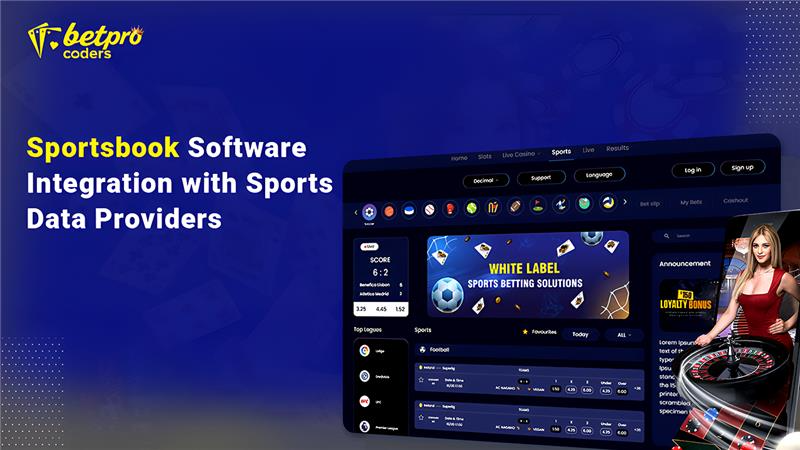
Modern sportsbooks are no longer just betting websites. They are complex, real-time digital platforms where thousands of users place bets simultaneously, often during fast-moving live events. The purpose of this guide is to explain how sportsbook software integrates with sports data providers, and why this integration is one of the most critical success factors for any betting platform. From live odds to instant settlements, everything a player sees and interacts with depends on accurate, fast, and reliable sports data. Poor data integration can lead to delayed odds, incorrect results, user disputes, and revenue loss. Strong integration, on the other hand, builds trust, improves engagement, and supports long-term scalability. Introduction to Sports Data Integration in Sportsbooks Sports data integration is the backbone of sportsbook operations. Every market, every odds change, and every settlement relies on structured data flowing continuously into the platform. What Sports Data Providers Do Sports data providers collect, verify, and distribute information from sporting events worldwide. Their role goes far beyond simple score updates. They deliver: Live scores and match status Pre-match and in-play odds Fixtures and schedules Match events such as goals, cards, or wickets Final results and official confirmations This data is gathered from stadium feeds, official leagues, tracking systems, and statistical teams, then delivered to sportsbooks through APIs designed for betting-grade accuracy. Why Data Quality Impacts Betting Revenue Data quality directly affects a sportsbook’s bottom line. Accuracy ensures that odds and results are correct. Low latency ensures players see updates in real time. High uptime ensures the platform stays operational during peak events. If odds are delayed by even a few seconds, sportsbooks risk arbitrage losses. If results are wrong or late, disputes increase. If feeds go down during major matches, players leave. Reliable data integration is not optional—it is a revenue safeguard. Types of Sports Data Used in Sportsbook Software Different stages of the betting lifecycle rely on different types of sports data. Pre-Match Data Feeds Pre-match data is used to build betting markets before an event starts. This includes: Match fixtures and schedules Available betting markets Opening odds and price movements This data allows sportsbooks to prepare markets well in advance and attract early bettors. Live / In-Play Data Feeds In-play betting depends on real-time updates. Live data feeds provide: Live odds changes Match events as they happen Time-based updates and status changes This is the most technically demanding data type, as delays or errors have immediate financial impact. Post-Match and Historical Data After events end, sportsbooks rely on post-match data for: Final results confirmation Bet settlement and payouts Historical analytics and reporting Historical data is also used for risk analysis, player behavior insights, and odds modeling. Sports Data Provider APIs Explained APIs are the technical layer that allows sportsbooks to consume and process sports data efficiently. REST APIs for Sportsbook Data REST APIs are commonly used for structured requests such as: Fixtures and schedules Market lists Pre-match odds Results retrieval They are reliable, easy to cache, and ideal for non-time-critical data. WebSocket and Streaming APIs WebSocket APIs are used for live betting scenarios. They push data instantly to the sportsbook without repeated requests. This makes them ideal for: Live odds updates Match event streaming In-play market changes Streaming APIs significantly reduce latency compared to traditional polling methods. Webhooks for Event Notifications Webhooks notify the sportsbook when specific events occur, such as: Match start or end Market suspension Result confirmation They help automate workflows and reduce system overhead. Sportsbook Software Integration Architecture Behind the scenes, sportsbook software uses layered architecture to manage data flow. Data Ingestion Pipeline The ingestion pipeline receives raw data from providers and routes it into the platform. It ensures data is: Received securely Logged for auditing Passed to processing systems A stable ingestion layer prevents data loss during traffic spikes. Normalization and Mapping Layers Different providers use different formats. Normalization converts all incoming data into a unified internal structure. Mapping ensures that teams, players, and markets align correctly across systems. This layer is crucial when using multiple data providers. Betting Engine and Risk Engine Integration Once normalized, data flows into the betting engine. Odds updates trigger market changes, while the risk engine evaluates exposure and applies limits automatically. This tight integration allows sportsbooks to react instantly to live events. Live Odds Integration and Latency Management Live odds are where integration quality is tested the most. Real-Time Odds Synchronization Odds must update in real time across all user devices. Synchronization ensures that: All players see the same prices Bets are accepted fairly Market states remain consistent Any mismatch can lead to disputes or financial risk. Market Suspension and Auto-Trading During critical moments, such as goals or penalties, markets must suspend instantly. Auto-trading systems use data feeds to: Suspend markets automatically Recalculate odds Reopen markets safely This protects both players and operators. Latency Benchmarks and SLA Monitoring Professional sportsbooks monitor latency in milliseconds. Service-level agreements (SLAs) define acceptable performance levels. Continuous monitoring helps detect issues before they affect users. Choosing the Right Sports Data Provider Not all data providers are equal, and the choice has long-term implications. Coverage and Market Depth A strong provider covers multiple sports, leagues, and regions with deep market options. This allows sportsbooks to attract diverse betting audiences. Data Accuracy and Uptime Guarantees Accuracy builds trust. Uptime guarantees availability during major events. Both should be validated through historical performance, not just promises. Pricing Models and Commercial Terms Pricing may be based on usage, sports coverage, or revenue share. Understanding these models helps avoid unexpected costs as the platform scales. Security, Compliance, and Data Governance Sportsbook data integration must follow strict security and regulatory standards. API Security and Authentication Secure authentication methods such as API keys, IP whitelisting, and encrypted connections protect data integrity and prevent unauthorized access. Data Licensing and Usage Rights Sports data is licensed content. Operators must ensure they have the right to use, display, and monetize the data in their target markets. Regulatory Compliance Considerations Different jurisdictions have different rules around data usage, reporting, and auditing. Compliance-ready integration helps avoid legal complications. Integration Challenges and Common Pitfalls Even experienced operators face challenges during integration. Data Inconsistency Across Providers Using multiple providers can lead to mismatched data. Without proper normalization, this creates settlement errors and reporting issues. Scaling During High-Traffic Events Major tournaments generate sudden traffic spikes. Systems that are not designed to scale may fail when demand is highest. Vendor Lock-In Risks Deep dependency on a single provider can limit flexibility. Migration becomes difficult if contracts change or performance declines. Best Practices for Sportsbook Data Integration Successful sportsbooks follow proven integration strategies. Multi-Provider Redundancy Using backup data providers ensures continuity if one feed fails. Redundancy reduces downtime and operational risk. Caching and Failover Strategies Smart caching reduces load and improves response times. Failover systems ensure uninterrupted service during outages. Monitoring, Logging, and Alerting Continuous monitoring and detailed logs help teams detect issues early and maintain platform stability. Future Trends in Sports Data and Betting APIs The role of data in betting continues to evolve. AI-Driven Odds and Automation Artificial intelligence is increasingly used to adjust odds dynamically and manage risk in real time. Computer Vision and Tracking Data Advanced tracking technologies provide deeper insights into player movement and match dynamics, enabling new betting markets. Real-Time Personalization Engines Future sportsbooks will use data to personalize markets, offers, and experiences for individual users. Conclusion Sportsbook software integration with sports data providers is not just a technical requirement—it is a strategic foundation for platform success. Accurate data, low latency, strong security, and scalable architecture directly impact user trust, betting volume, and long-term growth. As betting platforms grow more competitive, operators must invest in robust data integration strategies that support live betting, risk management, and future innovation. Choosing the right architecture, providers, and integration approach can make the difference between a stable sportsbook and one that struggles under pressure. For businesses looking to build or scale sportsbook platforms with reliable data integration and future-ready architecture, experienced technology partners like BetProCoders play a crucial role in delivering secure, scalable, and performance-driven sportsbook solutions.