

Search the Community
Showing results for tags 'SEO'.
Found 15 results
-
 We are in Qatar for the 23rd round of the 2024 F1 world championship and we have in our hands the Sprint race, Qualifying and The Main race coming up in the next 36 hours. Max Verstappen has bagged the World Driver Championship already but the battle for the Constructors championship is still on. Let’s look at the odds on offer for the three events coming up. First up we look at the sprint race which happens tonight. Lando Norris is the favorite to win The Sprint race with the odds of 1.36 as he starts from the front row but I doubt if he will even finish in the top 3. My pick to win the race is George Russell and betting a dollar on him will get you $6 in return. Ferrari are looking quick too and if you are a fan of the team then I suggest going for Carlos Sainz. Betting a dollar on him will get you $15 in return. The sprint race will be followed by Qualifying and we have some nice odds here too. Lando Norris will be my pick to win the qualification and betting a dollar on him will get you $1.72 I return. Oscar Piastri who drives the same car may not be a bad bet either with odds of 5.00. George Russell is looking good in the Mercedes too and with odds of 7.00 he is a great bet too. For tomorrow's race I pick George Russell to take the honors and the odds of 5.5 are quite generous from the bookies. Charles Leclerc with odds of 7.0 is also a great bet for the race winner provided he has a good qualifying. Not betting on Verstappen would be a crime as last year he was just amazing on this track. Betting a dollar on him will get you $8.0 in return.
 -
 The UK online gaming sector has evolved into one of the most regulated and closely monitored digital industries in Europe. As platforms expand, process larger volumes of user data, and adopt advanced technologies such as blockchain and AI-driven personalization, data privacy and GDPR compliance have become central to sustainable growth. For developers, operators, and digital product teams, understanding how GDPR applies to online gaming platforms is no longer optional—it is foundational to trust, reputation, and long-term scalability. Why Data Privacy Matters in UK Digital Gaming Ecosystems Growth of Regulated Online Gaming in the UK The UK digital gaming market continues to grow steadily, driven by mobile adoption, immersive user experiences, and advanced payment systems. With growth comes increased responsibility. Platforms now handle vast volumes of personal, financial, and behavioral data every day. As user bases expand, regulatory expectations also rise. Data protection is no longer just a legal checkbox—it is part of operational excellence. Rising Scrutiny on Data Handling Practices Regulators, payment providers, and users are paying closer attention to how platforms collect, store, and process personal information. Data misuse, poor encryption standards, or unclear privacy policies can quickly lead to penalties and reputational damage. Search engines also favor secure and transparent platforms, making privacy compliance important for organic visibility and brand credibility. Why Compliance Impacts Trust, Retention, and Partnerships Users are more likely to stay engaged with platforms that clearly communicate their data protection policies. Payment providers, marketing partners, and affiliates prefer working with platforms that demonstrate structured compliance frameworks. In today’s environment, trust equals retention. Understanding GDPR in the Context of UK Gaming Platforms What Is GDPR and UK GDPR? The General Data Protection Regulation (GDPR) is a comprehensive data protection framework that governs how personal data is processed within the UK and European regions. Following Brexit, UK GDPR continues to apply domestically, aligned closely with EU standards. For gaming platforms, this means strict requirements around user consent, data storage, and transparency. Key GDPR Principles Relevant to Gaming Platforms Lawfulness, Fairness, and Transparency User data must be collected legally and explained clearly through privacy notices. Purpose Limitation Data collected for one purpose cannot be reused for unrelated activities without proper justification. Data Minimisation Platforms should only collect the information necessary for delivering services. Storage Limitation Personal data should not be retained longer than required. Integrity and Confidentiality Strong security measures must protect user data against unauthorized access or breaches. Types of User Data Collected by Online Gaming Platforms Identity and Account Information This includes names, email addresses, dates of birth, and account credentials. Identity verification processes also require official documentation for compliance purposes. Payment and Transaction Data Platforms process card details, bank transfers, digital wallets, and crypto transactions. Payment data is highly sensitive and requires strict encryption and tokenization methods. Behavioural and Usage Analytics User interaction data—such as session time, feature usage, and engagement patterns—is often collected to improve product performance and personalize experiences. Device and Technical Data IP addresses, browser information, operating systems, and device identifiers help detect fraud and ensure security. Blockchain Wallet and On-Chain Data (If Applicable) In blockchain-based gaming platforms, wallet addresses and transaction hashes may be processed. Although pseudonymous, such data can still fall under GDPR if linked to identifiable individuals. Legal Bases for Processing User Data Consent-Based Processing Users must provide clear and informed consent before data is collected for marketing or tracking purposes. Contractual Necessity Certain data is processed because it is essential for delivering gaming services, such as account management and payment handling. Legal Obligation (KYC / AML Alignment) Identity verification and anti-money laundering requirements may mandate specific data collection practices. Legitimate Interest Assessment Platforms may process data under legitimate interest, provided it does not override user rights and is properly documented. Core GDPR Requirements for UK Gaming Platforms Data Protection by Design and by Default Privacy considerations should be integrated into platform architecture from the earliest development stages. Default settings should favor minimal data exposure. Data Protection Impact Assessments (DPIAs) DPIAs evaluate high-risk data processing activities and help mitigate potential privacy risks before launch. Appointment of a Data Protection Officer (DPO) Depending on the scale of operations, platforms may need to appoint a DPO to oversee compliance and regulatory communication. Record-Keeping and Audit Trails Maintaining detailed processing records ensures accountability and simplifies regulatory audits. User Rights Under GDPR and Platform Responsibilities Right to Access Users can request a copy of their personal data. Right to Rectification Incorrect or outdated information must be corrected promptly. Right to Erasure Users may request deletion of their personal data, subject to legal retention obligations. Right to Data Portability Users can request their data in a machine-readable format. Automated Decision-Making Transparency If AI or automated profiling affects users, platforms must explain the logic behind such decisions. Data Security and Encryption Standards in Gaming Infrastructure Encryption in Transit and At Rest Transport Layer Security (TLS) protects data in motion, while database encryption safeguards stored information. API Security and Access Controls Secure APIs prevent unauthorized data extraction. Role-based access ensures employees only access necessary information. Multi-Factor Authentication MFA adds an extra layer of protection for both users and administrators. Secure Wallet and Payment Handling Tokenization and secure payment gateways reduce exposure to financial data breaches. Blockchain Gaming and GDPR: Compatibility Challenges Immutability vs Right to Erasure Blockchain’s permanent ledger conflicts with the GDPR right to deletion. Hybrid models often store personal data off-chain. On-Chain vs Off-Chain Storage Strategies Sensitive information is typically stored in centralized databases, while blockchain stores transactional proofs. Pseudonymisation and Anonymisation Techniques Data can be masked or hashed to reduce identification risks while maintaining analytical value. Third-Party Vendors and Cross-Border Data Transfers Data Processing Agreements (DPAs) All vendors handling personal data must sign structured agreements outlining responsibilities. UK Adequacy Decisions Data transfers to approved countries simplify compliance. Standard Contractual Clauses (SCCs) For non-adequate jurisdictions, SCCs provide a lawful transfer mechanism. Cookie Policies, Tracking, and Marketing Compliance Consent Management Platforms (CMPs) CMPs allow users to manage cookie preferences easily. Analytics and Retargeting Transparency Tracking tools must clearly explain their purpose and obtain prior consent. Email and Promotional Communications Compliance Marketing messages require opt-in consent and easy opt-out mechanisms. Common GDPR Risks in Online Gaming Platforms Excessive Data Collection Collecting unnecessary information increases legal exposure. Weak Vendor Oversight Third-party mismanagement can trigger compliance violations. Insecure API Integrations Poorly secured integrations can expose sensitive data. Data Breach Response Failures Delayed incident reporting can result in regulatory penalties. Building a GDPR-Ready Compliance Framework Internal Governance Structure Clear data ownership roles ensure accountability. Regular Security Audits Periodic penetration testing and system reviews strengthen resilience. Incident Response Plan A structured breach response protocol reduces impact and ensures timely reporting. Staff Training and Awareness Educating teams on data protection principles prevents accidental violations. Future Trends in Privacy Regulation for Digital Gaming ePrivacy Regulation Upcoming privacy rules may further regulate cookies and digital communications. AI Governance and Automated Profiling AI transparency and algorithm accountability will become central compliance requirements. Privacy-Enhancing Technologies (PETs) Technologies such as secure multi-party computation and differential privacy are emerging as advanced data protection tools. Conclusion Data privacy and GDPR compliance are no longer peripheral considerations for UK online gaming platforms—they are central pillars of operational integrity and long-term success. From secure APIs and encrypted wallets to consent management and blockchain compatibility, every layer of platform architecture must align with privacy regulations. For developers and operators building scalable digital gaming ecosystems, embedding compliance into system design ensures stronger partnerships, higher user trust, and sustainable growth. Companies with deep technical expertise and regulatory understanding, such as BetProCoders, help gaming platforms design secure, compliant, and future-ready infrastructures that align with UK GDPR requirements while maintaining performance and scalability in competitive digital markets.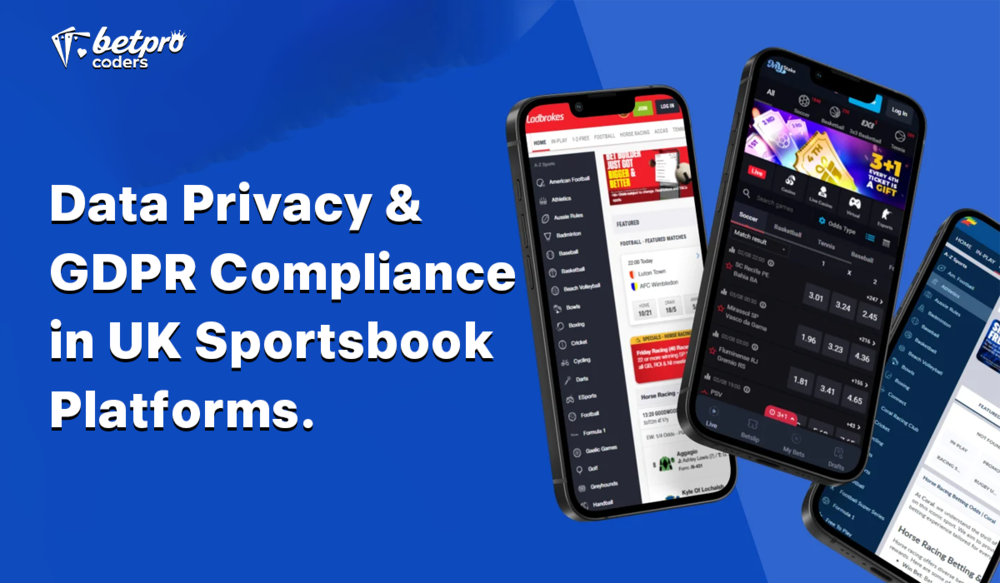
-
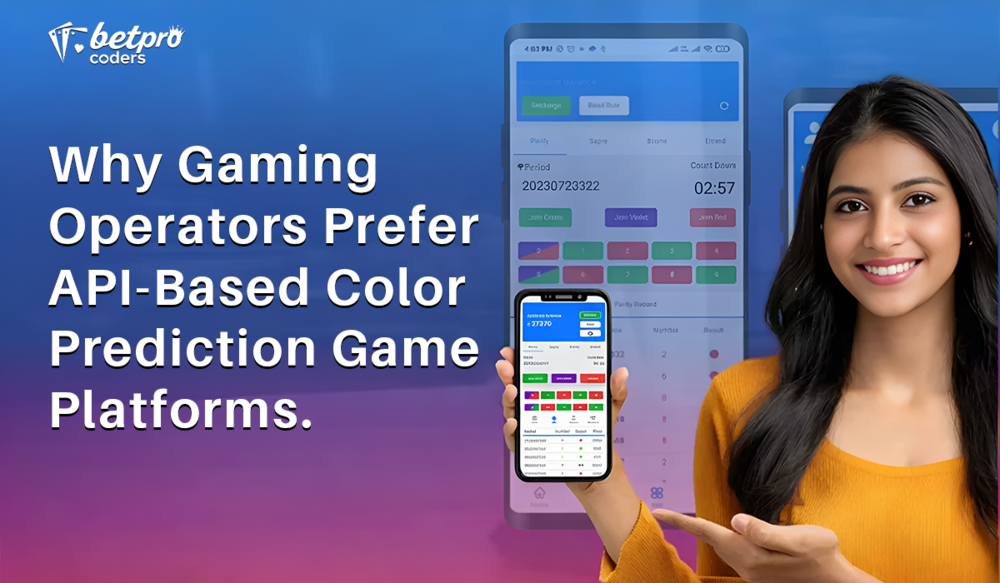
Introduction: The Rise of Real-Time Color Prediction Games Over the past few years, real-time color prediction games have gained massive traction across digital gaming ecosystems. These games are lightweight, fast, and designed for short engagement cycles. Unlike complex strategy-based titles, color prediction formats focus on quick rounds, simple choices, and instant results. This makes them ideal for modern users who prefer fast-paced digital experiences. The growth of mobile-first gaming has accelerated this trend. Today’s players often engage in micro-sessions—short bursts of gameplay during commutes, breaks, or downtime. They expect smooth performance, instant feedback, and minimal loading time. In this environment, infrastructure matters more than visual design. Even the most polished interface cannot compensate for lag, sync issues, or slow round processing. That is why gaming operators increasingly prefer API-based color prediction game platforms. These systems are built for speed, flexibility, and scalability from the ground up. What Is an API-Based Color Prediction Game Platform? Core Platform Concept An API-based color prediction game platform is built on an API-first architecture. Instead of combining all logic, interface, and processing into a single system, it separates the frontend user experience from the backend game engine. The frontend handles: User interface Round visuals Animations and dashboards The backend API layer manages: Round generation Outcome logic Wallet updates Event synchronization This separation ensures that the platform remains flexible and easy to upgrade. How API-Based Systems Differ from Monolithic Game Builds Traditional monolithic builds bundle everything together in one system. While this approach may work for small projects, it limits growth. API-based systems offer: Flexibility – Developers can modify frontend design without disrupting core logic. Scalability – Backend services scale independently under high user load. Integration Speed – External tools like wallets, analytics, and blockchain systems connect quickly through structured endpoints. For operators targeting growth, this modular structure becomes a strategic advantage. Key Reasons Operators Prefer API-Based Platforms Faster Time-to-Market In the digital gaming industry, speed matters. API-based color prediction platforms come with ready-to-integrate endpoints. This reduces backend development time significantly. Teams can focus on branding, user acquisition, and optimization rather than rebuilding core infrastructure. Scalability for High Concurrency High user concurrency is common during promotional events or peak traffic hours. API-driven systems use event-based infrastructure and real-time synchronization to handle thousands of simultaneous sessions without delay. Each user’s round updates instantly, maintaining a smooth and consistent experience. Modular Integration with Wallets and Blockchain Modern gaming platforms often support token-based transactions and blockchain connectivity. API-based systems make it easier to integrate: Digital wallets Tokenized reward systems Smart contract validation This modular integration allows operators to expand their ecosystem without rebuilding the platform. Cross-Platform Deployment API-driven architecture ensures compatibility across: Web applications Mobile browsers Progressive Web Apps (PWA) Users can switch devices without losing session continuity. Technical Architecture Behind API-Based Color Prediction Games Game Logic Engine The game logic engine is the heart of the system. It handles: Round generation Outcome processing Event triggers Fairness algorithms Each round is generated using secure logic models designed to ensure unpredictability and transparency. Real-Time Event Streaming WebSocket connections enable real-time communication between server and client. This ensures: Low-latency updates Instant round countdown synchronization Live result announcements Real-time event streaming keeps gameplay responsive and engaging. Wallet and Transaction APIs Wallet APIs manage: Balance synchronization Instant credit and debit updates Transaction logs Accurate wallet processing is critical for maintaining trust and ensuring smooth gameplay. Smart Contract and Blockchain Layer (Optional) Some platforms integrate blockchain technology for on-chain validation. This provides: Transparent outcome verification Publicly auditable records Increased trust through decentralization Blockchain layers add an extra level of integrity for advanced gaming ecosystems. Performance and Reliability Advantages Load Balancing and Auto-Scaling Load balancers distribute traffic evenly across servers. Auto-scaling ensures that additional resources activate automatically during high demand. This prevents slowdowns during peak activity. Edge Delivery and CDN Optimization Content Delivery Networks reduce latency by delivering content from servers closest to users. This improves: Page load speed Round transitions Visual performance Server Redundancy and Failover Mechanisms Redundant servers ensure that if one node fails, another instantly takes over. This keeps the platform stable even during unexpected issues. Security and Fairness Framework Provably Fair Algorithms Modern color prediction platforms often implement provably fair systems. These allow users to verify that outcomes are generated fairly and not manipulated. Encryption and Secure API Authentication Secure API authentication and encrypted communication protect user data and prevent unauthorized access. Anti-Manipulation and Risk Controls Advanced monitoring systems detect irregular patterns and maintain platform integrity. Player Engagement and Retention Benefits Instant Round Cycles Short and frequent rounds create continuous engagement. Users remain active because they do not have to wait long between sessions. Gamification APIs Gamification elements such as leaderboards, streak rewards, and achievements integrate seamlessly through APIs. Loyalty and Reward System Integration Reward engines connect directly with the platform, enabling: Bonus credits Cashback systems Tier-based loyalty programs These features improve long-term retention. API-Based Model vs Traditional Game Architecture Development Cost Comparison API-based systems reduce development costs by reusing structured components. Traditional builds require more time and resources. Maintenance and Update Flexibility With modular APIs, updates can be rolled out without shutting down the entire system. Long-Term Scalability API-driven platforms grow more efficiently. New features integrate without major disruptions. Integration Considerations for Developers Authentication and API Keys Secure API keys control access and protect endpoints. Rate Limits and Request Handling Managing request limits ensures performance stability. Frontend Synchronization Proper synchronization guarantees that all users see consistent round timers and outcomes. Analytics and Tracking Hooks API hooks enable data tracking for: User behavior Session duration Engagement metrics This data supports growth optimization. Common Challenges in API-Based Color Prediction Platforms Latency in High Traffic Heavy traffic can cause delays if infrastructure is not optimized. Wallet Sync Delays Improper wallet integration may result in temporary balance mismatches. Blockchain Network Congestion When blockchain layers are used, network congestion may affect transaction confirmation times. Regulatory and Regional Compliance Operators must align with regional digital gaming regulations and ensure data protection compliance. Future Trends in API-Driven Prediction Gaming AI-Based Outcome Modeling AI tools are being used to improve system monitoring and detect anomalies. Multi-Chain Gaming Ecosystems Supporting multiple blockchain networks increases flexibility. Cross-Game API Interoperability Unified APIs may connect different mini-games within a single ecosystem. Decentralized Infrastructure Decentralized hosting models can improve transparency and resilience. Final Evaluation Framework for Gaming Operators API-based color prediction game platforms make strategic sense when: Rapid deployment is required High concurrency is expected Modular blockchain integration is needed Cross-platform accessibility is a priority Custom infrastructure may be more suitable when: Unique gameplay mechanics are required Proprietary technology is being developed Deep customization beyond API capabilities is necessary Long-term scalability should remain the central consideration. Infrastructure must evolve with user growth and technological changes. Conclusion API-based color prediction game platforms represent a modern, scalable approach to real-time digital gaming. They offer flexibility, speed, security, and cross-platform compatibility—qualities essential for operators aiming to build competitive gaming ecosystems. From modular architecture to blockchain-ready integration, API-driven systems provide the technical backbone required for high-performance gaming experiences. Operators who prioritize infrastructure over surface-level features often achieve stronger user retention and long-term growth. For gaming businesses looking to build robust and scalable API-driven platforms, partnering with experienced development companies like BetProCoders ensures reliable architecture, secure integration, and future-ready gaming solutions tailored to evolving market demands.
-
Introduction to Gaming Platform Development in Dubai Dubai has rapidly evolved into one of the world’s most influential technology and blockchain hubs. With strong government backing, world-class infrastructure, and a business-friendly environment, the city attracts software companies building advanced digital platforms for global audiences. Interactive gaming platforms, in particular, have seen increased interest due to rising mobile adoption, digital payments, and real-time user engagement models. However, Dubai’s appeal comes with an important responsibility: regulatory clarity. Unlike loosely regulated regions, the UAE operates within a clearly defined legal and cultural framework. For gaming platform builders, success depends on understanding how to innovate responsibly while staying compliant with local laws. Balancing innovation with compliance is not a limitation—it is a strategic advantage. Platforms that embed legal and technical safeguards from day one are better positioned for long-term growth, global partnerships, and enterprise-level trust. Understanding Dubai’s Legal Landscape for Gaming Technologies UAE Federal Laws Affecting Digital Gaming Platforms The UAE follows a centralized legal structure where federal laws define the boundaries for digital activities. Gaming platforms are expected to operate strictly as technology and entertainment solutions, without enabling restricted or prohibited activities within the jurisdiction. At a high level, the legal framework focuses on: Content responsibility User protection Financial transparency Data security A critical distinction exists between interactive entertainment software and restricted operational use cases. Platform builders must design systems that clearly function as technology solutions rather than direct operators of regulated activities. Free Zones vs Mainland Regulatory Environment Dubai offers multiple regulatory environments, each serving different business models. DIFC (Dubai International Financial Centre): Suitable for fintech, blockchain, and enterprise software platforms DMCC (Dubai Multi Commodities Centre): Popular for technology startups and SaaS providers ADGM (Abu Dhabi Global Market): Known for advanced digital asset and blockchain regulations Free zones typically allow technology licensing and global platform development, while mainland setups may involve additional operational permissions. Choosing the right jurisdiction depends on whether the company provides software, infrastructure, or platform management services. Licensing Models for Gaming & Interactive Platforms Technology Service Provider Licensing Most gaming software companies in Dubai operate under technology service provider licenses. These licenses cover: Software development Platform architecture API services SaaS-based delivery models This approach allows companies to build, maintain, and distribute gaming platforms without directly engaging in restricted activities. Offshore Licensing & Platform Distribution Many platforms follow a service separation strategy, where: Technology development is based in Dubai Hosting and platform operations are managed offshore End-user access is restricted by geography This model helps businesses align with UAE regulations while serving international markets. Content Responsibility & Platform Liability A key legal principle in Dubai is responsibility allocation. Platform builders must clearly define: What the software provides What end users can access Who controls content usage Well-documented terms of service, usage policies, and system-level controls help reduce liability and protect platform owners. Compliance-First Platform Architecture Geo-Restriction & Access Control Systems Geo-restriction is not optional—it is foundational. Platforms must implement: IP-based filtering Location detection Region-specific access rules These systems ensure the platform operates only where permitted. User Verification & Identity Controls User verification systems help maintain platform integrity without relying on sensitive terminology. Common approaches include: Account validation Identity checks Activity monitoring These controls also support fraud prevention and regulatory alignment. Responsible Usage & Player Safeguards Modern platforms are expected to promote responsible usage. This includes: Session time controls Usage limits Transparent activity summaries Such features improve user trust and demonstrate platform accountability. Technical Architecture Considerations for Dubai-Based Platforms Modular & API-Driven System Design A modular architecture separates: Frontend user interfaces Business logic Data services API-driven design improves flexibility, security, and scalability, making it easier to adapt to regulatory or market changes. Cloud Hosting & Data Residency Choices Data hosting decisions are critical. Platforms may choose: Regional cloud providers for sensitive data Global cloud infrastructure for scalability Hybrid models often provide the best balance between compliance and performance. Scalability for High Concurrent Usage Dubai-based platforms often target global audiences. To support high traffic, systems should use: Event-driven processing Microservices architecture Auto-scaling infrastructure This ensures stability during peak usage. Blockchain & Digital Asset Integration Considerations Smart Contracts for Transparency & Automation Smart contracts can automate platform logic while improving transparency. Use cases include: Automated rule enforcement Transparent transaction records Audit-friendly workflows Tokenized Wallets & Digital Asset Handling Tokenized wallets enable faster transactions and global accessibility. Platforms must choose between: Custodial wallet models Non-custodial user-controlled wallets Each approach has different compliance and security implications. Regulatory Sensitivities Around Digital Assets Digital assets require careful handling. Platforms should implement: Transaction monitoring Risk scoring systems Compliance reporting tools These measures help align innovation with regulatory expectations. Payment Systems & Financial Technology Constraints Local Banking & PSP Compatibility Payment service providers in the UAE have strict onboarding requirements. Platforms must ensure: Transparent transaction flows Clear business purpose Strong compliance documentation Cross-Border Transactions & Settlement Logic Global platforms must manage: Currency conversion Settlement reconciliation Transaction traceability Automated systems reduce errors and improve financial accuracy. Digital Wallets & Alternative Payment Rails Alternative payment systems are increasingly popular. Integration should prioritize: Security Regulatory alignment User transparency Security, Data Protection & Platform Integrity Data Privacy & User Information Protection User data protection is a legal and ethical requirement. Platforms should use: End-to-end encryption Role-based access controls Secure data storage Platform Security & Threat Mitigation Advanced security measures include: DDoS protection Real-time threat detection Automated incident response Audit Trails & Activity Logging Comprehensive logging supports: Operational transparency Compliance audits Dispute resolution Operational Risks & Common Pitfalls Regulatory Misinterpretation Risks Misunderstanding local laws can lead to serious consequences. Continuous legal review is essential. Overexposed Platform Functionality Platforms should avoid exposing features that could be misused. Controlled access reduces risk. Vendor Dependency & Infrastructure Lock-In Relying too heavily on a single vendor can limit flexibility. Modular systems reduce long-term risk. Strategic Recommendations for Platform Builders Legal Consultation & Compliance Audits Regular legal audits ensure platforms remain aligned with evolving regulations. Phased Feature Rollouts Launching features gradually allows teams to test compliance and performance before scaling. Long-Term Platform Governance Planning Governance frameworks define how platforms evolve responsibly over time. Conclusion Dubai remains a high-opportunity yet compliance-sensitive market for gaming and interactive platform development. Success in this region is driven not just by advanced technology, but by how well legal structure and technical design work together. Platforms that embed compliance-first architecture, secure infrastructure, and transparent operations are better positioned for sustainable growth. As blockchain, cloud computing, and digital payments continue to evolve, Dubai will remain a strategic base for globally focused gaming technology companies. For businesses aiming to build compliant, scalable, and future-ready gaming platforms, working with experienced development partners is critical. Companies like BetProCoders bring the technical expertise, regulatory awareness, and architectural insight needed to navigate Dubai’s ecosystem while building platforms designed for long-term global success.
-
Introduction to Sportsbook Technology in Pakistan Over the past few years, Pakistan has seen a noticeable rise in interest around online sports engagement, particularly cricket, football, and other international sporting events. While the legal landscape remains complex, the technology powering sportsbook platforms has evolved rapidly, largely driven by user demand for real-time experiences, fast transactions, and mobile accessibility. One of the biggest shifts in this space is the move toward mobile-first betting platforms. Most users access digital services primarily through smartphones, often on variable network conditions. This reality has forced sportsbook platforms to become lighter, faster, and more responsive than ever before. At the center of this transformation are APIs (Application Programming Interfaces). APIs act as the backbone of modern sportsbooks, enabling different systems—data feeds, wallets, user management, and betting engines—to communicate seamlessly. Without APIs, it would be nearly impossible to build a scalable, real-time sportsbook platform suitable for the Pakistani market. Understanding Sportsbook APIs What Is a Sportsbook API? A sportsbook API is a structured interface that allows different components of a betting platform to exchange data and perform actions. Instead of building every feature as a single monolithic system, APIs break functionality into manageable services that can work independently but communicate reliably. In practical terms, APIs are used to: Fetch live match data and odds Accept and validate bets Manage user accounts and balances Process payments and settlements Each API has a defined role, ensuring that updates or failures in one part of the system do not disrupt the entire platform. Why APIs Are Essential for Betting Platforms Sports betting relies heavily on real-time data delivery. Odds change rapidly, in-play markets open and close within seconds, and user balances must update instantly. APIs make this level of speed and accuracy possible. From a business perspective, APIs also support automation and scalability. As user traffic grows—especially during major cricket tournaments—API-driven platforms can scale specific services independently, ensuring stable performance without overloading the system. Core APIs Used in Pakistani Sportsbook Platforms Sports Data and Odds APIs Sports data APIs provide live scores, match statistics, odds, and betting markets. For Pakistani audiences, cricket coverage is especially critical, including domestic leagues and international matches. These APIs continuously update odds based on real-world events, ensuring users see accurate and current information. Any delay or inconsistency here can directly impact user trust. Betting Engine APIs The betting engine API handles the core betting logic of the platform. This includes: Accepting bet requests Validating odds and limits Locking bets at the correct time Settling bets once results are confirmed A reliable betting engine API ensures fairness, accuracy, and transparency in every wager. Wallet and Payment APIs Payment APIs manage deposits, withdrawals, and internal wallet transfers. In Pakistan, this often involves integration with local payment methods as well as international options. These APIs must be secure, fast, and capable of handling high transaction volumes, particularly during peak betting hours. User Management and KYC APIs User management APIs handle registrations, logins, profile updates, and account status. KYC APIs support identity verification and help platforms comply with responsible gaming and anti-fraud requirements. Together, these APIs protect both the platform and its users from misuse. How APIs Power Live Betting in Pakistan In-Play Betting Architecture Live betting is one of the most demanding features of any sportsbook. APIs enable platforms to open and close markets dynamically as a match progresses, allowing users to place bets on live outcomes such as the next over, goal, or wicket. This requires constant communication between data providers and the betting engine, all managed through APIs. Event Streaming and Real-Time Updates Event-driven APIs push updates instantly to the platform whenever something happens in a match. Instead of repeatedly requesting data, the system receives updates the moment they occur, reducing delay and server load. Low-Latency Infrastructure Latency is a major concern in Pakistan due to varying internet speeds. Well-designed APIs, combined with optimized infrastructure, help reduce delays so users receive updates as close to real time as possible. API Architecture for Scalable Sportsbook Platforms Microservices-Based API Design Modern sportsbooks often use a microservices architecture, where each API handles a specific function. This makes the platform easier to maintain and scale, as services can be updated independently. REST vs WebSocket APIs REST APIs are commonly used for standard requests such as account data or bet history. WebSocket APIs, on the other hand, are ideal for live betting because they allow continuous, two-way communication with minimal delay. Cloud and Edge Deployment Models Cloud infrastructure allows platforms to scale quickly, while edge servers help deliver content closer to users. This combination improves performance and reliability, especially during high-traffic events. Payment APIs and Localization for Pakistan Local Payment Gateways Local gateways like JazzCash, Easypaisa, and bank transfers are essential for user adoption. APIs enable seamless integration with these services, making deposits and withdrawals more convenient for Pakistani users. Multi-Currency and PKR Wallet Support While many platforms operate internationally, supporting PKR wallets reduces friction for local users. Currency handling APIs manage conversions and ensure accurate balance tracking. Crypto Payment APIs Crypto payments are increasingly used due to faster settlements and fewer banking constraints. APIs help integrate crypto wallets while maintaining transaction transparency and security. Security, Compliance and Risk Management APIs KYC and AML APIs These APIs automate identity checks and transaction monitoring, helping platforms meet compliance requirements and reduce manual effort. Fraud Detection and Risk Scoring Risk management APIs analyze betting patterns and transactions to detect suspicious behavior. Early detection helps protect platform integrity. Data Protection and Encryption APIs use encryption and secure authentication methods to protect sensitive user data, ensuring privacy and trust. Regulatory and Legal Context for Pakistani Sportsbooks Local Betting Regulations Overview Pakistan’s betting laws are restrictive, which is why many platforms operate under offshore licenses. Understanding this context is crucial when designing API-based systems. Offshore Licensing Models APIs often include geo-controls that restrict access based on location, helping platforms align with licensing conditions. Geo-Restriction and Jurisdiction Controls These controls ensure that users can only access services permitted in their region, reducing legal exposure. Common API Integration Challenges in Pakistan Internet Latency and Network Stability Unstable networks can disrupt live betting. APIs must be designed to handle retries and temporary disconnections gracefully. Payment Gateway Reliability Local gateways may experience downtime. Having fallback systems and monitoring APIs helps maintain service continuity. Data Feed Availability Consistent access to high-quality sports data is essential. Platforms often rely on multiple data sources to ensure reliability. Best Practices for Building API-Driven Sportsbooks in Pakistan Choosing the Right API Providers Reliability, documentation quality, and long-term support should be key selection criteria. Infrastructure Optimization Efficient caching, load balancing, and regional servers improve user experience and reduce costs. Monitoring and Scaling Strategy Continuous monitoring allows platforms to detect issues early and scale resources based on demand. Future of API-Driven Sportsbook Platforms in Pakistan AI and Predictive Analytics APIs AI-driven APIs can personalize betting experiences and improve risk management through data-driven insights. Blockchain and Transparency APIs Blockchain-based systems can improve trust by recording transactions and results immutably. Hyper-Personalization Engines Future platforms will use APIs to tailor content, odds, and promotions to individual users. Conclusion APIs play a foundational role in the development of modern sportsbook platforms in Pakistan. From live betting and payments to security and compliance, APIs enable the flexibility, speed, and scalability that today’s users expect. In a market shaped by mobile usage, variable connectivity, and regulatory complexity, well-architected APIs are not optional—they are essential. As sportsbook platforms continue to evolve, those built on strong API ecosystems will be better positioned to adapt, scale, and innovate. For businesses exploring sportsbook development or expansion, partnering with experienced technology providers can make a significant difference. Companies like BetProCoders bring the technical expertise, architectural understanding, and industry insight needed to build robust, future-ready sportsbook platforms tailored for challenging markets like Pakistan.

-
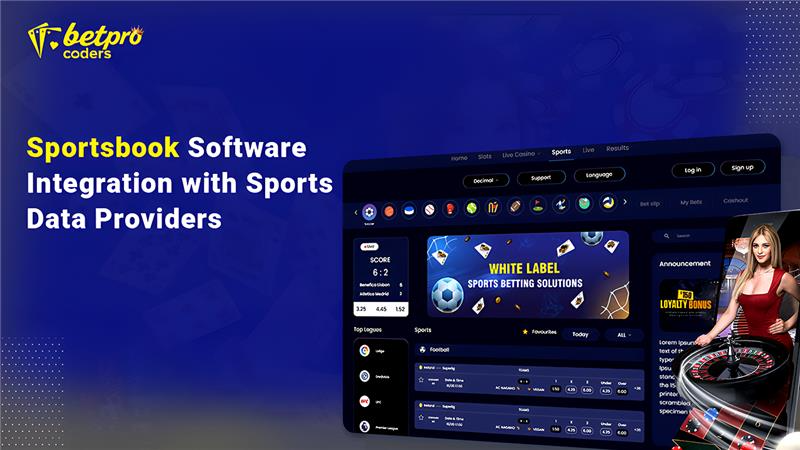
Modern sportsbooks are no longer just betting websites. They are complex, real-time digital platforms where thousands of users place bets simultaneously, often during fast-moving live events. The purpose of this guide is to explain how sportsbook software integrates with sports data providers, and why this integration is one of the most critical success factors for any betting platform. From live odds to instant settlements, everything a player sees and interacts with depends on accurate, fast, and reliable sports data. Poor data integration can lead to delayed odds, incorrect results, user disputes, and revenue loss. Strong integration, on the other hand, builds trust, improves engagement, and supports long-term scalability. Introduction to Sports Data Integration in Sportsbooks Sports data integration is the backbone of sportsbook operations. Every market, every odds change, and every settlement relies on structured data flowing continuously into the platform. What Sports Data Providers Do Sports data providers collect, verify, and distribute information from sporting events worldwide. Their role goes far beyond simple score updates. They deliver: Live scores and match status Pre-match and in-play odds Fixtures and schedules Match events such as goals, cards, or wickets Final results and official confirmations This data is gathered from stadium feeds, official leagues, tracking systems, and statistical teams, then delivered to sportsbooks through APIs designed for betting-grade accuracy. Why Data Quality Impacts Betting Revenue Data quality directly affects a sportsbook’s bottom line. Accuracy ensures that odds and results are correct. Low latency ensures players see updates in real time. High uptime ensures the platform stays operational during peak events. If odds are delayed by even a few seconds, sportsbooks risk arbitrage losses. If results are wrong or late, disputes increase. If feeds go down during major matches, players leave. Reliable data integration is not optional—it is a revenue safeguard. Types of Sports Data Used in Sportsbook Software Different stages of the betting lifecycle rely on different types of sports data. Pre-Match Data Feeds Pre-match data is used to build betting markets before an event starts. This includes: Match fixtures and schedules Available betting markets Opening odds and price movements This data allows sportsbooks to prepare markets well in advance and attract early bettors. Live / In-Play Data Feeds In-play betting depends on real-time updates. Live data feeds provide: Live odds changes Match events as they happen Time-based updates and status changes This is the most technically demanding data type, as delays or errors have immediate financial impact. Post-Match and Historical Data After events end, sportsbooks rely on post-match data for: Final results confirmation Bet settlement and payouts Historical analytics and reporting Historical data is also used for risk analysis, player behavior insights, and odds modeling. Sports Data Provider APIs Explained APIs are the technical layer that allows sportsbooks to consume and process sports data efficiently. REST APIs for Sportsbook Data REST APIs are commonly used for structured requests such as: Fixtures and schedules Market lists Pre-match odds Results retrieval They are reliable, easy to cache, and ideal for non-time-critical data. WebSocket and Streaming APIs WebSocket APIs are used for live betting scenarios. They push data instantly to the sportsbook without repeated requests. This makes them ideal for: Live odds updates Match event streaming In-play market changes Streaming APIs significantly reduce latency compared to traditional polling methods. Webhooks for Event Notifications Webhooks notify the sportsbook when specific events occur, such as: Match start or end Market suspension Result confirmation They help automate workflows and reduce system overhead. Sportsbook Software Integration Architecture Behind the scenes, sportsbook software uses layered architecture to manage data flow. Data Ingestion Pipeline The ingestion pipeline receives raw data from providers and routes it into the platform. It ensures data is: Received securely Logged for auditing Passed to processing systems A stable ingestion layer prevents data loss during traffic spikes. Normalization and Mapping Layers Different providers use different formats. Normalization converts all incoming data into a unified internal structure. Mapping ensures that teams, players, and markets align correctly across systems. This layer is crucial when using multiple data providers. Betting Engine and Risk Engine Integration Once normalized, data flows into the betting engine. Odds updates trigger market changes, while the risk engine evaluates exposure and applies limits automatically. This tight integration allows sportsbooks to react instantly to live events. Live Odds Integration and Latency Management Live odds are where integration quality is tested the most. Real-Time Odds Synchronization Odds must update in real time across all user devices. Synchronization ensures that: All players see the same prices Bets are accepted fairly Market states remain consistent Any mismatch can lead to disputes or financial risk. Market Suspension and Auto-Trading During critical moments, such as goals or penalties, markets must suspend instantly. Auto-trading systems use data feeds to: Suspend markets automatically Recalculate odds Reopen markets safely This protects both players and operators. Latency Benchmarks and SLA Monitoring Professional sportsbooks monitor latency in milliseconds. Service-level agreements (SLAs) define acceptable performance levels. Continuous monitoring helps detect issues before they affect users. Choosing the Right Sports Data Provider Not all data providers are equal, and the choice has long-term implications. Coverage and Market Depth A strong provider covers multiple sports, leagues, and regions with deep market options. This allows sportsbooks to attract diverse betting audiences. Data Accuracy and Uptime Guarantees Accuracy builds trust. Uptime guarantees availability during major events. Both should be validated through historical performance, not just promises. Pricing Models and Commercial Terms Pricing may be based on usage, sports coverage, or revenue share. Understanding these models helps avoid unexpected costs as the platform scales. Security, Compliance, and Data Governance Sportsbook data integration must follow strict security and regulatory standards. API Security and Authentication Secure authentication methods such as API keys, IP whitelisting, and encrypted connections protect data integrity and prevent unauthorized access. Data Licensing and Usage Rights Sports data is licensed content. Operators must ensure they have the right to use, display, and monetize the data in their target markets. Regulatory Compliance Considerations Different jurisdictions have different rules around data usage, reporting, and auditing. Compliance-ready integration helps avoid legal complications. Integration Challenges and Common Pitfalls Even experienced operators face challenges during integration. Data Inconsistency Across Providers Using multiple providers can lead to mismatched data. Without proper normalization, this creates settlement errors and reporting issues. Scaling During High-Traffic Events Major tournaments generate sudden traffic spikes. Systems that are not designed to scale may fail when demand is highest. Vendor Lock-In Risks Deep dependency on a single provider can limit flexibility. Migration becomes difficult if contracts change or performance declines. Best Practices for Sportsbook Data Integration Successful sportsbooks follow proven integration strategies. Multi-Provider Redundancy Using backup data providers ensures continuity if one feed fails. Redundancy reduces downtime and operational risk. Caching and Failover Strategies Smart caching reduces load and improves response times. Failover systems ensure uninterrupted service during outages. Monitoring, Logging, and Alerting Continuous monitoring and detailed logs help teams detect issues early and maintain platform stability. Future Trends in Sports Data and Betting APIs The role of data in betting continues to evolve. AI-Driven Odds and Automation Artificial intelligence is increasingly used to adjust odds dynamically and manage risk in real time. Computer Vision and Tracking Data Advanced tracking technologies provide deeper insights into player movement and match dynamics, enabling new betting markets. Real-Time Personalization Engines Future sportsbooks will use data to personalize markets, offers, and experiences for individual users. Conclusion Sportsbook software integration with sports data providers is not just a technical requirement—it is a strategic foundation for platform success. Accurate data, low latency, strong security, and scalable architecture directly impact user trust, betting volume, and long-term growth. As betting platforms grow more competitive, operators must invest in robust data integration strategies that support live betting, risk management, and future innovation. Choosing the right architecture, providers, and integration approach can make the difference between a stable sportsbook and one that struggles under pressure. For businesses looking to build or scale sportsbook platforms with reliable data integration and future-ready architecture, experienced technology partners like BetProCoders play a crucial role in delivering secure, scalable, and performance-driven sportsbook solutions.
-
The U.S. online gambling market is booming, with operators racing to capture a slice of this multi-billion-dollar pie. To succeed, you need the right tech backbone, and that’s where choosing a top-tier casino API provider comes in. In this article, titled "Top Features to Look for in a Casino API Provider for the U.S. Market," we’ll break down the must-have features that ensure your platform thrives in this competitive, regulated landscape. From seamless game integration to ironclad security, these are the essentials that can make or break your operation. Let’s dive in and explore what sets the best apart. Key Features to Prioritize When developing a sports betting app, it's crucial to prioritize key features that enhance user experience and engagement. Integrating casino API providers can significantly enrich your app by offering diverse gaming options, real-time data, and secure transactions. This ensures a seamless betting experience while keeping users engaged with exciting features like live streaming and personalized betting suggestions. 1. Robust Game Integration A standout casino API provider offers seamless integration of a massive game library. In the U.S., players crave variety—slots, table games, live dealers, you name it. The best providers aggregate content from top developers, letting you offer hundreds or thousands of titles with a single integration. This flexibility keeps your platform fresh and players hooked. Look for a provider that updates its catalog regularly, ensuring you’re always ahead of trends. 2. Mobile Optimization With over 60% of U.S. casino traffic coming from smartphones, mobile compatibility isn’t optional—it’s a lifeline. A top casino API provider ensures games and features work flawlessly across devices. Think fast load times, responsive design, and no glitches, whether players are on iOS or Android. This keeps your audience engaged, no matter where they play, boosting retention and revenue in a mobile-first market. 3. State-Specific Compliance The U.S. isn’t a one-size-fits-all market—gambling laws vary wildly by state. A reliable casino API provider in the USA builds compliance into its system, handling geolocation, age verification, and Responsible Gambling tools tailored to places like New Jersey or Michigan. This saves you from legal headaches and builds player trust, ensuring your platform meets every local regulation without breaking a sweat. 4. Ironclad Security Features Security is non-negotiable in online gaming. Players want their data and money safe, and regulators demand it. The best casino API providers deliver military-grade encryption, fraud detection, and anti-money laundering protections. Look for features like two-factor authentication and real-time monitoring to catch threats before they hit. A secure platform isn’t just a feature—it’s your reputation on the line. 5. Scalability for Growth Starting small? Planning big? Either way, your casino API provider needs to scale with you. The U.S. market is growing fast—$66 billion by 2025, projections say—and traffic spikes are inevitable. A top provider offers cloud-based solutions that handle thousands or millions of players without crashing. This scalability means you’re ready for success, whether you’re launching in one state or ten. 6. Payment Gateway Integration Smooth transactions keep players happy. A quality casino API provider supports a range of payment options—credit cards, e-wallets, even crypto—tailored to U.S. preferences. Fast deposits and withdrawals are table stakes; look for real-time processing and multi-currency support too. This flexibility boosts player satisfaction and keeps them betting, not waiting. 7. Real-Time Analytics and Reporting Knowledge is power, especially in a competitive market. The right casino API provider gives you real-time dashboards tracking player behavior, revenue, and game performance. Want to know which titles are hot in Pennsylvania or how bonuses affect retention? Detailed analytics help you tweak strategies on the fly, turning data into dollars and keeping you ahead of the curve. 8. Customization Options Every casino has a unique vibe—yours should too. A leading casino API provider offers customizable front-end tools, letting you design lobbies, promotions, and player experiences that match your brand. Whether it’s tailoring bonuses or tweaking game filters, this flexibility helps you stand out in a crowded U.S. market and keeps players loyal to your style. 9. Speed and Reliability Nothing kills a gaming session faster than lag or downtime. A top-tier casino API provider guarantees high uptime (99.9% or better) and lightning-fast performance. This means games load instantly, bets process smoothly, and players stay happy. In the U.S., where expectations are high, reliability isn’t just a perk—it’s a dealbreaker. 10. Stellar Support and Updates Tech glitches happen, but how your provider handles them matters. Look for a casino API provider with 24/7 U.S.-based support—phone, chat, or email—to fix issues fast. Beyond that, they should roll out regular updates, adding new games and features without disrupting your operation. Great support keeps your platform running and your stress levels low. Why These Features Matter in the U.S. The U.S. market isn’t like Europe or Asia—it’s a patchwork of rules, player habits, and tech demands. A casino API provider that nails these features doesn’t just keep you compliant; it positions you to win. Players here expect Vegas-level quality online, and regulators watch every move. Skimp on any of these, and you’re handing your edge to the competition. How to Spot the Right Provider Not all casino API providers are created equal. Start by checking their track record—have they powered successful U.S. platforms? Dig into case studies or reviews. Next, test their demo—does it feel fast and intuitive? Ask about compliance specifics for your target states. Finally, compare pricing, but don’t chase cheap over quality—downtime or breaches cost more than a premium provider ever will. The Future of Casino APIs in the U.S. By 2025, expect APIs to lean harder into AI and VR. Imagine AI personalizing every player’s journey or VR bringing virtual casinos to life—all powered by your API. A forward-thinking casino API provider in the USA will already be prepping for these trends, keeping you ahead as the market evolves. Pick one that’s innovating now, and you’ll be set for tomorrow. Avoid These Red Flags Steer clear of providers with shaky uptime, weak security, or no U.S. experience. If they can’t demo state-specific compliance or scale for growth, keep looking. A bad fit here isn’t just a hiccup—it’s a gamble with your business. The right casino API provider mitigates risks, not creates them. Making Your Choice Choosing a casino API provider is a big call, but it’s simpler with a checklist: game variety, mobile readiness, compliance, security, scalability, payments, analytics, customization, speed, and support. Nail these, and you’re building on solid ground. Miss them, and you’re rolling the dice on your future. In the U.S., where stakes are high, only the best will do. Conclusion Picking the perfect casino API provider for the U.S. market means prioritizing game integration, security, and scalability. These features drive success in a fierce industry. For a standout choice, Betpro Coders delivers tailored, cutting-edge API solutions to power your U.S. casino in 2025—reach out now!

-
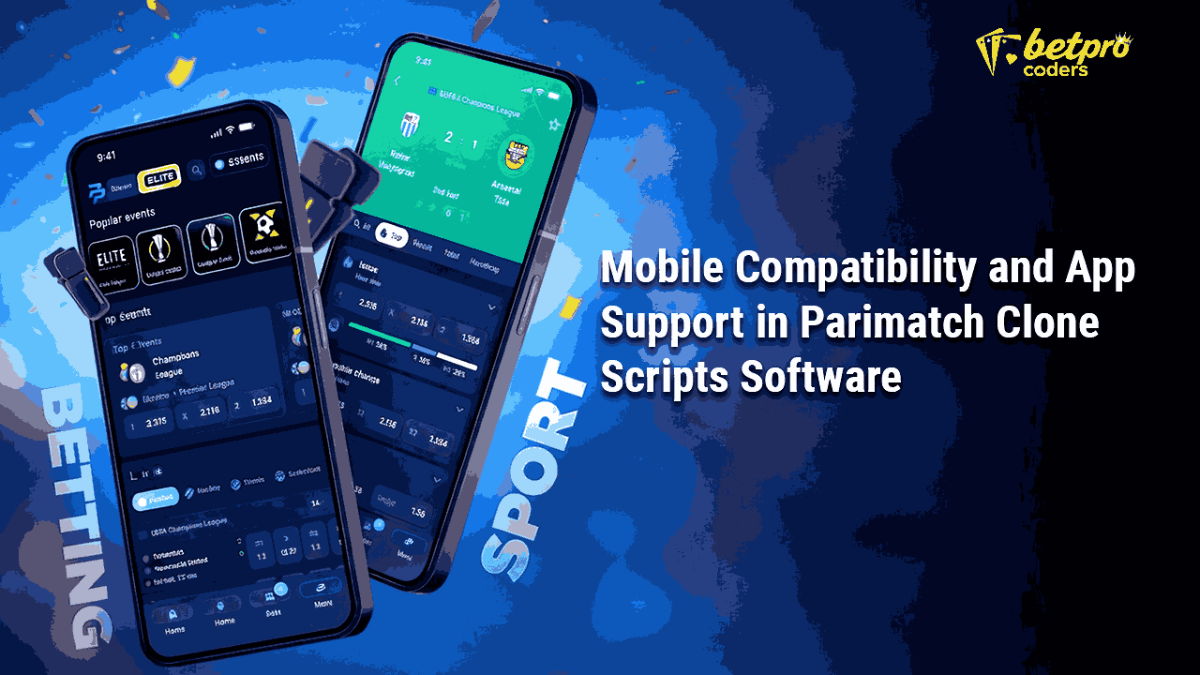
Introduction — Why Live Betting Is the Core of Modern Sportsbooks Growth of in-play betting and instant markets The online betting industry has undergone significant changes over the last decade. Earlier, most bets were placed before a match started. Today, the real action begins once the game is live. In-play betting, also known as live betting, has become the backbone of modern sportsbooks. Players no longer want to wait for match results. They want to bet on every goal, every over, every point, and every moment as it happens. This shift has created a massive demand for platforms that can handle real-time betting markets without delays or errors. Live betting now contributes a major share of sportsbook revenue. Operators who fail to provide a smooth in-play experience often lose players to competitors offering faster odds and instant markets. Why real-time odds define user engagement and revenue Real-time odds are what make live betting exciting. When odds update instantly after every play, it creates urgency and encourages players to place more bets. The faster the odds refresh, the higher the engagement. A platform with slow or inaccurate odds quickly loses trust. Players expect fairness, speed, and transparency. When these three elements come together, sportsbooks see longer session times, higher bet frequency, and stronger user retention. This is why Parimatch-style clone platforms focus heavily on live betting technology and real-time odds engines. What Is a Parimatch Clone Script? Overview of Parimatch-style sportsbook platform A Parimatch clone script is a ready-made sportsbook software solution inspired by the business model and features of the Parimatch betting platform. It allows operators to launch a full-featured betting platform with sports betting, live betting, casino games, and payment systems. Instead of building everything from scratch, operators get a proven framework that can be customized with their branding, markets, and business rules. Sportsbook engine, casino, and live betting ecosystem A complete Parimatch-style platform is not just a betting site. It is a full ecosystem that includes: Pre-match and live sportsbook Real-time odds engine Live casino and slot games Payment gateways and wallets Player management and risk control All these modules work together to deliver a seamless betting experience across web and mobile devices. Clone script vs custom sportsbook development Custom sportsbook development takes months and costs significantly more. It also involves building every module from scratch, testing, and long deployment cycles. Clone scripts offer a faster and more cost-effective alternative. Operators get a tested system that can be launched quickly, with room for customization and future upgrades. This approach is ideal for startups and growing betting businesses. Understanding Live Betting Technology How in-play betting works Live betting allows users to place bets while a match is in progress. Markets open and close dynamically based on real-time match events. For example: Next goal scorer Total runs in an over Winner of the next set Match momentum shifts Behind the scenes, the platform receives continuous data feeds from sports data providers. These feeds update scores, events, and statistics in real time. Event-driven betting markets Modern live betting platforms are built on event-driven systems. Every goal, foul, wicket, or point triggers new betting markets or updates existing ones. The system instantly recalculates odds based on probability models and risk exposure. This creates a dynamic betting environment that mirrors the flow of the game. Real-time market suspension and reactivation To prevent unfair betting, markets are temporarily suspended during critical moments, such as a penalty kick or free throw. Once the event is completed, the market is reopened with updated odds. This automated suspension and reactivation process ensures fairness, transparency, and protection for both players and operators. Real-Time Odds Engine in Parimatch Clone Scripts Odds feed integration and aggregation Parimatch clone platforms integrate with multiple sports data and odds feed providers. These feeds cover a wide range of global sports, including football, cricket, basketball, tennis, esports, and more. The platform aggregates data from multiple sources to ensure accuracy, consistency, and uninterrupted service. AI-based odds calculation Modern odds engines use artificial intelligence and machine learning models to calculate probabilities in real time. These models analyze historical data, team performance, player stats, and live match conditions. The result is a constantly evolving odds system that reflects real-world dynamics. Margin control and risk management Operators can configure profit margins and risk limits directly from the admin panel. The system automatically adjusts odds to balance exposure and protect profitability. This allows sportsbook owners to maintain healthy margins even during high-volume live betting sessions. Live Betting Features in Parimatch Clone Software In-play markets and instant betting Players can place bets on hundreds of live markets during a single match. The interface updates automatically, showing new opportunities every few seconds. Instant betting ensures that wagers are accepted within milliseconds, even during peak traffic. Cash-out and partial cash-out Cash-out features allow players to close their bets before the match ends. Partial cash-out gives even more flexibility by allowing them to withdraw part of their stake while keeping the rest active. This feature increases engagement and reduces abandonment. Bet builder and multi-market slips Bet builder allows players to create custom bets by combining multiple outcomes into a single slip. This creates higher odds and more excitement. Multi-market slips allow users to place multiple live bets across different matches at the same time. Live streaming integration Live streaming keeps players on the platform longer. When users can watch matches directly inside the betting app, they place more bets and stay engaged throughout the event. Sports Data & Odds API Architecture WebSocket vs REST APIs WebSocket APIs provide real-time data streaming with instant updates, making them ideal for live betting. REST APIs are used for pre-match odds, account management, and reporting. A hybrid architecture ensures speed, reliability, and scalability. Low-latency odds delivery Latency is the biggest enemy of live betting. Even a one-second delay can lead to rejected bets or player dissatisfaction. Advanced Parimatch clone platforms use optimized networks, edge servers, and data compression to deliver odds with minimal delay. Failover and redundancy If one data provider fails, backup feeds automatically take over. Redundant servers ensure uninterrupted service during high-traffic events like World Cups and league finals. Mobile Live Betting Experience Mobile-first UI for live betting Most bettors now place wagers on mobile devices. A mobile-first design ensures fast navigation, clean layouts, and easy access to live markets. The interface is optimized for one-handed usage and fast bet placement. One-click in-play betting One-click betting removes unnecessary steps. Players can place a bet instantly without re-entering stake amounts every time. This increases betting frequency and improves user experience. Push notifications for live odds Push notifications alert users about goal updates, market openings, and special odds. This brings players back to the platform even when they are not actively browsing. Performance & Scalability for Peak Traffic Auto-scaling infrastructure During major tournaments, traffic can spike instantly. Auto-scaling infrastructure automatically adds server resources based on demand. This prevents downtime and performance degradation. CDN & caching Content Delivery Networks reduce load time by serving data from the nearest location. Caching ensures frequently accessed data loads instantly. Load balancing during live events Load balancers distribute traffic evenly across servers, ensuring stable performance even during peak betting periods. Security, Compliance & Fair Betting Odds integrity and anti-manipulation Security systems monitor betting patterns to detect suspicious behavior. Any irregular activity is flagged automatically for review. KYC & AML for live betting Identity verification and anti-money laundering systems ensure compliance with global regulations. This protects the platform from fraud and financial abuse. Responsible gaming tools Players can set deposit limits, session timers, and self-exclusion options. These tools promote healthy betting behavior and regulatory compliance. Business Impact of Live Betting in Parimatch Clone Platforms Higher betting frequency Live betting encourages repeat wagering during a single match. This leads to more bets per session. Increased session time With live streaming, instant markets, and cash-out features, users stay longer on the platform. Revenue uplift from in-play users In-play bettors generate significantly higher revenue compared to pre-match users. Live betting has become the primary profit driver for modern sportsbooks. Choosing the Right Parimatch Clone Provider Odds feed partners Reliable odds feeds are critical. Choose a provider with global coverage and multiple data sources. Live betting customization The platform should support custom markets, branding, and business rules. Ongoing support and upgrades Regular updates, security patches, and feature enhancements are essential for long-term success. Conclusion — Building a High-Performance Live Betting Platform Live betting is no longer an optional feature. It is the foundation of every successful sportsbook. A Parimatch clone platform with real-time odds, instant markets, and high-performance infrastructure gives operators a powerful advantage in today’s competitive betting industry. From AI-powered odds engines to mobile-first betting experiences, modern clone platforms deliver everything needed to run a scalable and profitable sportsbook business. If you are planning to launch or upgrade a live betting platform, choosing the right technology partner is critical. BetProCoders provides enterprise-grade Parimatch clone solutions with advanced live betting systems, real-time odds integration, mobile apps, and scalable infrastructure to help betting businesses grow faster and smarter. A high-performance live betting platform is not just about software — it’s about building trust, speed, and excitement for every player.
-
Introduction Europe is one of the most mature and highly regulated betting markets in the world. With millions of active bettors, strict compliance rules, and strong consumer protection frameworks, European regulators demand transparency, security, and responsible gaming standards from every sportsbook operator. In this environment, the choice of sportsbook software jurisdiction is not just a technical decision. It directly impacts licensing approval, payment processing, player trust, and long-term business stability. That is why a large number of European operators prefer Malta-based sportsbook software as the foundation of their betting platforms. What Is Malta-Based Sportsbook Software? Malta-based sportsbook software refers to betting platform solutions that are licensed, regulated, or developed under the jurisdiction of Malta and follow the regulatory framework of the Malta Gaming Authority. These platforms are designed to comply with European gambling laws and international gaming standards. They typically support sports betting, live betting, virtual sports, and casino integrations while meeting strict data security and player protection requirements. Role of the Malta Gaming Authority (MGA) The Malta Gaming Authority is one of the most respected gaming regulators in the world. It sets clear guidelines for: Player protection and responsible gaming Fair gaming practices Financial transparency Anti-money laundering compliance Data security and platform integrity An MGA license signals credibility and professionalism, which is why many European banks, payment providers, and gaming partners prefer working with Malta-regulated operators. Why Malta Is a Global iGaming Hub Over the past two decades, Malta has built a strong reputation as the global center of online gaming. Today, it hosts hundreds of sportsbook operators, gaming studios, data providers, and fintech companies. Licensing Credibility Malta’s regulatory framework is recognized across Europe and internationally. An MGA license gives operators access to regulated markets and builds confidence among players and business partners. Tax and Business Environment Malta offers a business-friendly tax structure and attractive incentives for technology companies. This makes it easier for sportsbook operators to manage operating costs while staying fully compliant. Talent and Infrastructure Ecosystem Malta has a strong talent pool of developers, compliance experts, traders, and payment specialists. Combined with modern cloud infrastructure and connectivity, this creates an ideal environment for running high-performance sportsbook platforms. Key Reasons European Operators Choose Malta-Based Platforms Regulatory Trust and Compliance European regulators take gambling compliance very seriously. Malta-based sportsbook software is built to meet European legal frameworks, which simplifies approvals in many EU jurisdictions. Operators benefit from: Clear regulatory guidance Transparent audit processes Well-defined compliance standards This reduces legal uncertainty and operational risk. Market Access Across the EU Malta is part of the European Union, which makes it easier for operators to expand into multiple EU markets. While each country has its own regulations, a Malta-licensed foundation provides a strong compliance base. Banking and Payment Compatibility European banks and payment providers prefer working with MGA-licensed sportsbooks. Malta-based platforms integrate easily with: SEPA banking European payment gateways E-wallets and card processors Crypto payment providers This ensures smooth deposits and fast withdrawals for players. Player Trust and Brand Reputation European bettors are highly aware of licensing standards. Seeing a Malta license on a sportsbook builds instant trust. It signals that the platform is safe, fair, and professionally operated. Compliance and Licensing Advantages MGA Licensing Framework The Malta Gaming Authority provides multiple license classes for betting operators. These cover sportsbook operations, gaming platforms, and B2B software providers. The framework ensures: Financial transparency Technical system audits Regular compliance reporting AML and KYC Standards Malta enforces strict anti-money laundering policies. Sportsbook platforms must verify users, monitor transactions, and report suspicious activity. This protects both the business and its customers. Responsible Gaming Requirements Malta-based sportsbooks must provide: Self-exclusion tools Deposit and loss limits Player activity monitoring Addiction prevention resources These measures help operators build long-term, sustainable brands. Technology and Platform Benefits Scalable Sportsbook Architecture Malta-based sportsbook platforms are designed for high traffic and peak betting events. They use cloud infrastructure, load balancing, and microservices architecture to support: Major sports tournaments Live betting traffic spikes Multi-country operations API Integrations Modern Malta-based platforms integrate with: Sports data providers Odds feed services Payment gateways KYC and fraud detection APIs This creates a flexible and modular platform ecosystem. Multi-Language and Multi-Currency Support European operators serve players across multiple countries. Malta-based sportsbook software supports: Multiple languages Local currencies Regional payment methods Country-specific betting rules This makes cross-border expansion much easier. Business and Commercial Benefits Faster Time-to-Market Malta-based sportsbook platforms come with pre-certified infrastructure. This speeds up: Licensing approvals Payment integrations Compliance audits Operators can launch faster than building everything from scratch. Lower Operational Friction With clear regulatory processes and established gaming infrastructure, Malta reduces operational bottlenecks related to banking, audits, and legal approvals. Cross-Border Expansion Readiness Malta-based sportsbooks are built for international growth. They can easily adapt to new markets while maintaining regulatory compliance. Malta vs Other Jurisdictions Malta vs Curacao Curacao offers faster and cheaper licenses, but lacks the regulatory depth and European credibility of Malta. Many European banks and payment providers prefer MGA-licensed operators. Malta vs Isle of Man The Isle of Man is respected but operates outside the EU. Malta offers easier access to European markets and stronger fintech integration. Malta vs Gibraltar Gibraltar is a well-known gaming jurisdiction but has faced regulatory changes and Brexit-related complications. Malta provides a more stable long-term EU base. Who Should Consider Malta-Based Sportsbook Software? European Betting Operators Operators targeting regulated European markets benefit most from Malta’s compliance framework and financial ecosystem. International Sportsbook Brands Global betting brands looking for European expansion use Malta as their regional headquarters. White-Label and Platform Aggregators Platform providers and aggregators use Malta licensing to offer compliant sportsbook solutions to multiple brands. Conclusion Malta has earned its reputation as the backbone of Europe’s online betting industry. Its strong regulatory framework, trusted licensing system, advanced gaming infrastructure, and fintech ecosystem make it the preferred jurisdiction for serious sportsbook operators. For European betting businesses, choosing Malta-based sportsbook software is not just about technology. It is a strategic decision that affects compliance, payments, brand trust, and long-term scalability. As European betting markets continue to evolve with tighter regulations and higher player expectations, Malta will remain at the center of this transformation. Operators who build on a Malta-regulated foundation position themselves for sustainable growth and international expansion. For betting businesses planning to enter or scale in regulated European markets, partnering with an experienced sportsbook technology company is essential. Companies like BetProCoders help operators design, develop, and deploy Malta-compliant sportsbook platforms with modern architecture, secure integrations, and future-ready scalability. The right jurisdiction combined with the right technology partner creates the foundation for a successful European sportsbook brand.

-
Color prediction games have become one of the fastest-growing segments in online betting and skill gaming platforms. With their simple gameplay, fast rounds, and real-time excitement, these games attract both casual users and serious bettors. For platform owners, integrating a color prediction game API is the most efficient way to launch this popular game format across web and mobile apps. This guide explains how color prediction game APIs work, how to integrate them, and what infrastructure is needed to run them smoothly at scale. Introduction to Color Prediction Game Platforms What is a color prediction game? A color prediction game is a real-time game where users place bets on a color outcome — typically Red, Green, or Violet — before a timer ends. Once the round completes, a result is generated, and winners receive payouts instantly. The simplicity of the game makes it highly engaging. Players don’t need complex strategies. They just predict, place a bet, and wait for the result. Why color prediction games are growing in betting & skill gaming platforms Color prediction games are growing rapidly because they offer: Fast-paced gameplay (30–60 second rounds) Easy-to-understand rules High engagement and repeat play Strong monetization potential Mobile-friendly design These games work well for both betting platforms and skill gaming apps. Their short round cycles generate frequent transactions and high wallet activity. Role of APIs in modern real-time gaming platforms An API acts as the bridge between the game engine and your platform. It handles everything — round creation, result delivery, bet placement, wallet updates, and real-time syncing across all users. Without an API, building a color prediction game would require developing the entire backend infrastructure from scratch. With an API, platforms can launch quickly and scale easily. Understanding Color Prediction Game APIs What Is a Color Prediction Game API? A color prediction game API is a backend service that provides all the logic required to run the game. It manages: Game rounds and timers Result generation Bet processing Wallet transactions Real-time updates It allows your web and mobile apps to communicate securely with the game engine. Core components of a color prediction API A typical API includes: Game engine for managing rounds Result generation module Betting engine Wallet system User session handling Real-time communication layer Together, these components create a complete gaming ecosystem. Who Uses Color Prediction APIs? Color prediction APIs are widely used by: Betting platform owners expanding into fast games Skill gaming startups building mobile-first apps Affiliate operators launching branded gaming platforms White-label gaming businesses offering turnkey solutions For all these businesses, APIs reduce development time and operational complexity. Core Architecture of a Color Prediction Game API Game Engine & Round Management The game engine controls the entire round lifecycle: Timer-based rounds (30s, 60s, etc.) Automatic round creation Result calculation Round closure and settlement Each round follows a strict timeline so that all players receive the same experience. Betting & Wallet System The betting engine handles: Bet placement and validation Wallet debit at bet time Payout calculation Wallet credit after result Every transaction is logged to maintain transparency and auditability. Real-Time Data Sync Layer To ensure real-time gameplay, APIs use: WebSocket connections Event-based broadcasting Instant result publishing This keeps all players synchronized and prevents delays or desync issues. API Integration Workflow for Web & Mobile Apps API Authentication & Access Control Security starts with authentication. APIs use: API keys for platform verification Token-based authentication for users Secure request signing This prevents unauthorized access and protects game integrity. Game API Integration Flow A typical integration follows this flow: Create a game session Fetch current round data Display countdown timer Accept bets from users Lock bets before round ends Fetch results Settle bets and update wallets All of this happens automatically through API calls. Frontend UI Integration For the frontend, APIs support: Web iframe or JavaScript SDK Android SDK iOS SDK Real-time result display This ensures smooth gameplay across all devices. Multi-Language & Multi-Currency Support Localization & Language Handling To serve global users, platforms use: Language JSON files Dynamic UI translations RTL language support for Arabic markets This makes the platform usable in multiple regions without redesigning the interface. Currency Engine & Exchange Rates Modern APIs support: INR, USD, EUR, AED and more Real-time exchange rates Wallet currency mapping This allows players to bet in their local currency while maintaining a unified backend. Regional Payment Gateway Integration Payment support includes: UPI and local wallets Debit and credit cards Net banking Crypto payments Region-specific gateways improve conversion rates and user trust. Backend Services & Infrastructure Requirements Game Server & Database Architecture The backend stores: Round history Bet records Wallet transactions Player activity logs A well-structured database ensures accurate reporting and compliance. Cloud Hosting & Scalability Scalable infrastructure includes: Load balancers Auto-scaling servers CDN for frontend assets This ensures smooth performance even during peak traffic. High-Availability & Failover Systems To avoid downtime: Multi-region deployment Backup servers Real-time failover This keeps the platform online 24/7. Security, Fairness & Compliance Considerations RNG & Result Validation Fair play is maintained using: Certified RNG logic Result auditing Tamper detection systems This builds user trust and regulatory confidence. User Verification & Fraud Controls Security features include: KYC verification Anti-bot protection Device fingerprinting Suspicious activity detection These prevent abuse and fake accounts. Jurisdiction & Licensing Awareness Platforms must comply with: Skill gaming vs betting laws Regional restrictions Local payment regulations Legal compliance is critical for long-term operations. Performance Optimization & Latency Handling Real-Time Result Broadcasting Performance is maintained through: WebSocket streaming Event-driven APIs Low-latency networks This ensures instant result delivery. Caching & CDN Acceleration To reduce server load: API response caching Edge delivery via CDN Optimized media delivery This improves speed globally. High-Traffic Load Handling For peak traffic: Concurrent user handling Queue-based bet processing Auto-scale infrastructure This keeps gameplay smooth during major events. Common Integration Challenges & Solutions Wallet Synchronization Issues Solved with transaction locking and atomic updates. Result Delays & Desync Handled using real-time event streaming. Currency Conversion Mismatches Fixed with centralized FX engines. Payment Reconciliation Errors Solved using automated ledger matching. API Testing & Deployment Best Practices Sandbox Environment Test all game flows before production launch. Load & Stress Testing Simulate peak traffic and concurrency. Monitoring & Analytics Track performance, latency, and errors. Error Logging & Alerts Real-time alerts for fast resolution. Future Trends in Color Prediction Game APIs AI-Based Game Analytics Predict player behavior and optimize engagement. Blockchain Fairness Models Transparent and verifiable game results. Cross-Platform Gaming Wallets Unified wallet across multiple games. Metaverse Casino Integration Virtual reality gaming environments. Conclusion Integrating a color prediction game API into your web and mobile apps is one of the smartest ways to enter the fast-growing real-time gaming market. With the right API architecture, security controls, scalable infrastructure, and payment support, platform owners can launch quickly and grow sustainably. A well-integrated API ensures smooth gameplay, instant results, secure transactions, and a seamless user experience across all devices. For businesses looking to build future-ready gaming platforms with robust backend systems, real-time performance, and enterprise-grade security, choosing the right technology partner is essential. BetProCoders continues to support gaming entrepreneurs with scalable API solutions and end-to-end gaming infrastructure designed for long-term success.

-
Introduction The online sportsbook industry is no longer limited by borders. Players today expect to access betting platforms from anywhere in the world, in their own language, using their preferred currency and payment methods. This shift toward global betting has made localization one of the most important success factors for modern sportsbook operators. A platform that works only in one language and one currency instantly limits its growth. To scale internationally, sportsbooks must adapt to different regions, cultures, payment systems, and regulatory environments. This is where Bet365 clone scripts play a vital role. Clone-based sportsbook platforms are designed to replicate the structure of leading betting brands while offering flexibility for regional customization. With built-in multi-language and multi-currency capabilities, they allow operators to launch in multiple markets without rebuilding the platform for each region. In this guide, we explore how Bet365 clone scripts support localization and why this technology is essential for cross-border sportsbook operations. Understanding Bet365 Clone Script Architecture What Is a Bet365 Clone Script? A Bet365 clone script is a ready-made sportsbook software platform built on a proven betting model. It includes all the core components needed to run an online sportsbook, such as: Sports and odds integration Betting engine and markets User management system Wallet and payment processing Admin control panel Reporting and analytics The platform follows a replication model, meaning it mirrors the functional structure of large sportsbook platforms while allowing operators to customize branding, features, and regional settings. This approach reduces development time and cost while providing a scalable foundation for long-term growth. Why Multi-Region Support Matters Global sportsbook growth depends on regional adaptability. Every country and region has its own: Preferred language Local currency Payment methods Betting behavior Regulatory requirements A multi-region sportsbook platform helps operators acquire players from different countries while offering a consistent and familiar user experience. Without localization, player trust drops, conversion rates fall, and retention suffers. Multi-language and multi-currency support are no longer optional features. They are core business requirements. Multi-Language Support in Bet365 Clone Scripts Language Framework Architecture Bet365 clone scripts use a modular language framework that separates content from system logic. This is typically handled through structured translation files and language packs. Each supported language has its own translation set that includes: Menu labels Betting market names Error messages Notifications Transaction messages Dynamic language switching allows players to change their preferred language instantly without logging out or refreshing the platform. This architecture ensures fast expansion into new regions with minimal technical effort. Admin Language Management From the admin panel, operators can manage all platform languages centrally. This includes: Adding new languages Updating translations Managing region-specific content Customizing promotional banners per language Backend language control also allows different admin roles to operate the platform in their preferred language, which is useful for multinational operations teams. Content localization ensures that promotions, rules, and help sections are culturally and linguistically appropriate for each region. RTL and Regional Language Support Supporting global languages requires more than simple translation. Bet365 clone scripts are designed to handle: Right-to-left languages such as Arabic and Hebrew Asian scripts like Chinese, Japanese, and Korean Complex character sets and diacritics The platform uses Unicode and UTF-8 encoding to ensure that all scripts display correctly across devices and browsers. The user interface automatically adjusts layout direction for RTL languages, maintaining a natural reading flow. Multi-Currency Support in Bet365 Clone Scripts Currency Wallet Architecture Multi-currency support is powered by a wallet system that can manage multiple balances under a single user account. Players can: Deposit in their local currency Place bets in their preferred currency Withdraw using the same currency The platform tracks each wallet separately while maintaining unified reporting for operators. Real-time balance synchronization ensures that every transaction is reflected instantly. Exchange Rate Management For international betting, currency conversion must be accurate and fast. Bet365 clone scripts integrate live foreign exchange feeds that provide up-to-date conversion rates. Auto-conversion logic allows the platform to: Convert deposits into the platform’s base currency Display balances in the user’s preferred currency Settle bets using real-time rates This ensures transparency and prevents disputes over currency value fluctuations. Regional Payment Gateway Integration Different regions rely on different payment systems. A global sportsbook must support: Local bank transfers Cards and net banking E-wallets Mobile payments Cryptocurrency Bet365 clone scripts support multiple payment gateways simultaneously. The system automatically shows region-specific payment options based on the player’s location and currency. This improves conversion rates and reduces payment friction for international users. How Localization Works in Betting Platforms Geo Detection and Auto Localization Localization starts the moment a user visits the sportsbook platform. Geo-detection systems use IP-based region identification to detect the user’s country. Based on this information, the platform automatically: Sets the default language Selects the local currency Displays region-specific promotions Users can still manually change their settings, but auto-localization creates a smoother first-time experience. Regional Odds Formatting Different regions prefer different odds formats. A well-localized sportsbook supports: Decimal odds Fractional odds American odds The betting engine converts odds automatically based on the user’s selected format. This ensures familiarity and reduces confusion for international bettors. Timezone and Format Adaptation Localization also applies to time and date formats. The platform automatically adapts: Match timings to local timezone Date formats to regional standards Event schedules based on location This helps users follow games easily without calculating time differences. Developer Integration and Configuration Layer Localization API Architecture Bet365 clone scripts expose localization controls through APIs. These include: Language management endpoints Currency conversion APIs Geo-detection services Developers can integrate localization logic directly into mobile apps, web platforms, and third-party services. Frontend UI Localization The frontend uses translation engines and dynamic rendering to adapt the interface in real time. This includes: Language switching RTL layout adjustments Currency display updates Local formatting rules The UI responds instantly to user preferences, creating a seamless experience. Backend Data Normalization While users see data in local formats, the backend maintains standardized records. This includes: Unified base currency for reporting Normalized transaction logs Centralized settlement records This ensures accurate accounting, analytics, and compliance reporting across all regions. Performance and Scalability Considerations CDN-Based Language Asset Delivery Language files and localized assets are delivered through content delivery networks. This ensures: Faster page loading Reduced latency Global edge caching Players receive localized content from the nearest server location. Currency Calculation Performance High-frequency betting requires fast settlement and conversion. The platform is optimized for: Real-time FX calculations High-volume transaction processing Instant wallet updates This prevents delays during peak betting events. Load Handling for Multi-Region Traffic Multi-region platforms face massive traffic spikes during major tournaments. The infrastructure uses: Load balancing Auto-scaling cloud servers Distributed databases This ensures consistent performance across all regions. Security, Compliance and Governance Jurisdiction-Based Restrictions Not all betting markets are legal everywhere. The platform enforces: Country-based access controls Regulatory blocking License-based operations This ensures compliance with local laws. Financial Compliance To meet global financial standards, the platform includes: Anti-money laundering checks Transaction monitoring Risk scoring systems These protect both players and operators. Currency Fraud Prevention Multi-currency platforms must prevent abuse. The system includes: Arbitrage detection Bonus abuse prevention Suspicious transaction alerts This keeps the ecosystem fair and secure. Common Pitfalls in Multi-Region Betting Platforms Translation Inconsistencies Poor translations reduce trust and confuse users. Currency Rounding Errors Small conversion errors can cause settlement disputes. Payment Gateway Mismatches Incorrect gateway routing leads to failed deposits. Latency in FX Conversions Slow conversion impacts live betting speed. Evaluation Checklist for Platform Owners Language Expansion Capability Can new languages be added quickly? Payment Localization Support Are local payment systems supported? Regulatory Readiness Does the platform support compliance features? API Flexibility Can the platform integrate new services easily? Conclusion Localization is the foundation of global sportsbook growth. Without multi-language and multi-currency support, even the most advanced betting platform will struggle to expand beyond its home market. Bet365 clone scripts provide a powerful framework for international sportsbook operations. Their built-in localization architecture allows operators to adapt quickly to new regions, support local users, and scale without rebuilding the platform from scratch. Multi-language interfaces, multi-currency wallets, regional payment integration, and automated localization tools make these platforms ready for global expansion from day one. For businesses planning to build a future-ready sportsbook with international reach, choosing the right technology partner is just as important as choosing the right platform model. Companies like BetProCoders bring deep expertise in sportsbook development, localization engineering, and global payment integration, helping operators launch scalable, compliant, and high-performance betting platforms across multiple markets.
-
Introduction Dubai is rapidly emerging as a global technology and innovation hub, and the online sportsbook industry is no exception. With its strong digital infrastructure, strategic location between Europe and Asia, and growing demand for gaming technology, Dubai has become a preferred destination for sportsbook software development. The demand for Bet365-style betting platforms across the Middle East, Asia, and Africa is growing steadily. Operators want feature-rich platforms that can handle high traffic, support multiple languages and currencies, and comply with international regulations. This has created a strong need for reliable sportsbook software development companies that understand both technology and the betting business. Choosing the right development partner is one of the most important decisions for any betting operator. The software provider you select will define your platform’s stability, security, scalability, and long-term success. Understanding Sportsbook Software Development What Is Sportsbook Software? Sportsbook software is the complete technology ecosystem that powers an online betting platform. It is much more than just a website or mobile app. A professional sportsbook system includes: Player registration and account management Betting engine and market management Live and pre-match odds integration Wallet and payment processing Risk management and settlement Reporting and analytics Admin control panel On the technical side, sportsbook platforms are built using a combination of frontend applications, backend services, APIs, and real-time data feeds. The frontend handles user interaction, the backend manages betting logic and transactions, and APIs connect the platform with sports data providers and payment gateways. What Is a Bet365 Clone Script? A Bet365 clone script is a ready-made sportsbook platform built using a proven betting model. It replicates the structure and workflow of leading sportsbook platforms while allowing operators to customize the platform for their brand and target market. This clone-based architecture gives operators a strong foundation with: Pre-built betting engine Integrated odds feeds Player and wallet systems Admin dashboard Risk management tools The key difference lies in customization. While the core betting logic is replicated, the platform can be fully branded, localized, and extended with new features based on business needs. Why Choose a Sportsbook Software Company in Dubai? Regional Market Expertise Dubai-based sportsbook development companies have a deep understanding of the MENA and Asian betting markets. These regions have unique user behavior, language requirements, and payment preferences. Local expertise helps in: Arabic and multilingual platform design Regional sports coverage Local payment gateway integration Cultural UX adaptation This market knowledge allows operators to launch platforms that feel familiar and trustworthy to regional users. Technology and Compliance Readiness Dubai has strong regulations around fintech, cybersecurity, and enterprise software. This has created a mature ecosystem of technology companies that build scalable and compliant platforms. A professional sportsbook software company in Dubai typically offers: Enterprise-grade infrastructure Secure cloud deployment Compliance-ready architecture International development standards This ensures your sportsbook is built on a strong and future-proof technical foundation. Core Capabilities to Evaluate in a Sportsbook Development Company Multi-Language Platform Support A global sportsbook must speak the language of its users. A reliable platform should support: Left-to-right and right-to-left layouts Language packs for fast expansion Admin-level language control Dynamic language switching RTL and LTR UI compatibility is essential for Arabic and Asian markets. The interface should automatically adjust based on the selected language without breaking layout or user experience. Multi-Currency Wallet System A modern sportsbook must support players from different countries using different currencies. The wallet system should offer: Fiat and crypto wallet architecture Auto-currency conversion Real-time balance synchronization Region-based payment routing This allows players to deposit and withdraw in their local currency while operators maintain centralized accounting. Betting Engine and Market Coverage The betting engine is the heart of any sportsbook. It should support: Pre-match and live betting Multiple sports and leagues In-play markets Custom odds management Wide sports coverage ensures high player engagement, while a flexible odds engine gives operators control over margins and risk. Bet365 Clone Script Technical Architecture Platform Modules A professional Bet365 clone platform is built using modular architecture. The core modules include: Player system for account and KYC management Betting engine for market creation and settlement Wallet and payment system Bonus and promotion engine Admin dashboard for operations and reporting This modular design allows easy upgrades and feature expansion. API and Data Feed Integration Sportsbook platforms rely heavily on third-party data. A reliable development company should integrate: Sports data providers Live odds feed APIs Settlement engines Streaming and visualization tools APIs act as the backbone of the platform, ensuring real-time updates and accurate market data. Frontend and User Experience Capabilities Mobile-First Betting Interface Most sportsbook traffic now comes from mobile devices. A strong development company should deliver: Native Android and iOS apps Progressive Web Apps Responsive web interfaces Mobile-first design ensures smooth betting on all screen sizes. UI Localization Localization is more than translation. It includes: Language-based layout switching Region-specific UX design Local sports prioritization Cultural color and design adaptation This creates a platform that feels local in every region. Security, Compliance and Licensing Considerations Platform Security Security is critical in betting platforms. The system should implement: Encrypted transactions Secure authentication Fraud detection systems DDoS protection A security breach can permanently damage a betting brand. Regulatory Readiness A compliant sportsbook platform includes: KYC verification AML monitoring Geo-restrictions Audit logging These features help operators meet licensing requirements across different jurisdictions. Infrastructure and Performance Low-Latency Betting APIs Live betting depends on speed. The platform should use: WebSocket streaming Real-time odds updates Event-driven architecture Low latency ensures fair betting and better user experience. Scalability Architecture A good sportsbook platform must scale with growth. Infrastructure should support: Cloud hosting Auto-scaling servers Load balancing Peak traffic handling This ensures stable performance during major sporting events. Integration and Deployment Process API Integration Workflow A structured integration process includes: Sandbox testing QA validation Security audits Production rollout This ensures smooth deployment without business disruption. Payment Gateway Integration The platform should support: Local and international gateways UPI, cards, and net banking Crypto payments E-wallets Payment flexibility directly impacts user acquisition and retention. Commercial and Delivery Considerations Ownership and Source Code Rights Operators should ensure full ownership of the platform and access to source code. This guarantees long-term control. Customization Scope The development company should offer: UI and branding customization Market configuration Feature extensions Deployment Timeline A realistic delivery timeline ensures proper testing and regulatory readiness. Maintenance and Support Long-term success depends on: 24/7 technical support Regular updates Security patches Feature upgrades Potential Pitfalls When Choosing a Sportsbook Software Company Licensing Gaps Some platforms lack built-in compliance features. Limited Customization Rigid platforms restrict business growth. Vendor Lock-In Restricted access to source code reduces control. Performance Bottlenecks Poor architecture limits scalability. Final Evaluation Checklist Before selecting a sportsbook software development company, evaluate: Technical stack Localization support Compliance readiness Scalability Long-term platform ownership A strong technology partner should support your business vision, not limit it. Conclusion Dubai has positioned itself as a powerful center for sportsbook technology development. With growing demand for Bet365-style platforms across MENA and Asia, the need for reliable, scalable, and compliant sportsbook software has never been higher. Choosing the right sportsbook software development company in Dubai is not just about building a betting website. It is about creating a long-term digital business that can scale across regions, handle high traffic, meet regulatory standards, and deliver a seamless betting experience to users worldwide. A well-built sportsbook platform requires deep expertise in betting engines, real-time data systems, security frameworks, localization, and cloud infrastructure. Working with an experienced development partner ensures that your platform is ready for competitive markets and future growth. For operators looking to build a powerful, feature-rich sportsbook platform with international reach, companies like BetProCoders provide the technical expertise, industry insight, and development capabilities needed to turn a sportsbook idea into a scalable and profitable betting business.
-
The online betting industry is expanding at a rapid pace, driven by mobile adoption, digital payments, and real-time sports engagement. As more entrepreneurs and gaming companies enter this market, the demand for faster and smarter platform development has grown significantly. This guide is written for startup founders, gaming operators, affiliates, and investors who want to understand what a Betway clone script is, how it works, and whether it is the right foundation for launching an online betting business. Clone-based betting platforms have become popular because they offer a ready-made infrastructure inspired by successful global sportsbooks, allowing businesses to enter the market quickly without building everything from scratch. Introduction to Online Betting Platform Development Online sportsbooks have transformed the way people engage with sports. From football and cricket to esports and virtual games, bettors now expect instant access to markets, fast payouts, and smooth user experiences across devices. Behind every modern betting platform is a complex technology stack that handles live odds, betting transactions, user wallets, security, and compliance. This infrastructure must be reliable, scalable, and capable of handling thousands of concurrent users during major sporting events. Betting software infrastructure matters because even small delays, errors, or payment issues can impact user trust. That’s why many businesses choose proven platform models instead of experimenting with untested systems. What Is a Betway Clone Script? Definition of a Betway Clone Script A Betway clone script is a ready-to-launch betting platform framework inspired by the core structure and functionality of established global sportsbooks. In software development, a “clone script” does not mean copying another platform’s design or branding. Instead, it refers to building a system based on a proven business and technology model. The goal is to replicate the operational flow of a successful sportsbook while allowing full customization in terms of design, features, markets, and user experience. It acts as a foundation that can be adapted for different regions, sports, and business strategies. Purpose of Clone-Based Betting Platforms Clone-based platforms are built to solve three major challenges faced by new betting operators: Faster go-to-market strategy Launching a betting platform from scratch can take more than a year. A clone-based model reduces this timeline to a few weeks or months. Business scalability These platforms are built with modular architecture, allowing operators to add new sports, markets, and payment systems as the business grows. Custom branding and configuration Operators can create a unique betting brand while using a proven technical framework in the background. How a Betway Clone Script Works Sports Data and Odds Integration A betting platform depends heavily on accurate and real-time sports data. A Betway-style clone script connects with professional sports data providers that deliver: Live odds feeds Match schedules Team and player data Real-time score updates Results and settlements These feeds ensure that users always see updated markets and fair odds across pre-match and live betting. Betting Engine and Market Logic The betting engine is the heart of the platform. It controls: Bet placement flow Odds calculation Ticket validation Settlement and payouts When a user places a bet, the system checks the odds, locks the market, confirms the stake, and processes the ticket instantly. Once the event is settled, the engine automatically calculates winnings and updates the wallet balance. User and Account Management A Betway clone script includes a complete user management system that handles: Player registration and login Identity verification Wallet balances Deposits and withdrawals Betting history and reports Players can track all their bets, view transactions, and manage their accounts from a single dashboard. Admin and Risk Management System The admin panel gives operators full control over the platform. It allows them to: Manage odds and markets Set player limits Configure bonuses and promotions Monitor betting activity Generate business reports Risk management tools help detect unusual betting patterns and prevent fraud. Core Components of a Betway-Style Betting Platform Sportsbook Module The sportsbook is the main attraction for most users. It includes: Pre-match betting Live in-play betting Multiple sports and leagues Various market types like match winner, over/under, handicap, and more A strong sportsbook keeps users engaged throughout the season. Casino and Live Games (Optional) Many operators add casino games to increase player retention. These may include: Slot games Table games like blackjack and roulette Live dealer games streamed in real time This turns the platform into a complete gaming ecosystem. Payment and Wallet System A reliable payment system is essential for trust and convenience. The platform should support: Fast deposits and withdrawals Multi-currency wallets Local and international payment gateways Secure transaction processing Smooth payments directly impact user satisfaction. KYC and Compliance Tools To meet regulatory standards, the platform must include: Identity verification tools Fraud detection systems Responsible gaming controls Player activity monitoring These tools protect both the operator and the players. Business Use Cases for a Betway Clone Script Startup Betting Operators For new entrepreneurs, a clone script offers a simple way to launch an MVP betting platform. It allows them to test the market, attract early users, and refine their business model before scaling. Existing Gaming and Casino Companies Gaming operators can add a sportsbook vertical to expand their product portfolio. This creates new revenue streams and increases player lifetime value. Affiliate Marketers Becoming Operators Affiliates already understand player acquisition. By launching their own betting platform, they can move from commission-based income to full platform ownership and higher margins. Regional Betting Entrepreneurs Entrepreneurs focusing on local markets can build region-specific sportsbooks with localized sports, languages, and payment methods. Also Read Relevant Article:- Security, KYC, and Compliance Features in Betway Clone Platforms Betway Clone Script vs White Label vs Custom Development Development Time Comparison Clone platforms can be launched in weeks, while custom platforms may take a year or more. Cost Structure Differences Custom development requires a large engineering team and long-term investment. Clone scripts offer a more affordable entry point. Ownership and Control Clone scripts and custom platforms usually provide full control, while white-label models often come with restrictions. Scalability and Customization Clone platforms can scale globally if built on cloud infrastructure and modular architecture. Legal and Regulatory Considerations Betting Licenses and Jurisdictions Most online sportsbooks operate under licenses from: Curacao Malta Isle of Man Each jurisdiction has different rules, taxes, and compliance standards. Payment Compliance and AML Operators must follow banking regulations, anti-money laundering rules, and transaction monitoring policies. Responsible Gaming Requirements Regulators require platforms to provide self-exclusion tools, betting limits, and player protection mechanisms. Risks and Limitations of Clone Betting Platforms Vendor Dependency Some providers control hosting and updates, which can limit flexibility. Customization Constraints Not all clone scripts allow deep changes to betting logic or interface design. Scaling Challenges Poor infrastructure planning can cause downtime during peak events. Technology Lock-In Risks Operators should ensure access to source code and full data ownership. How to Evaluate a Betway Clone Script Provider Source Code Ownership Full ownership ensures long-term independence and scalability. API and Data Partners Reliable sports data and odds providers are critical for platform success. Security Architecture The system must support encryption, fraud detection, and account protection. Support and Maintenance Model Ongoing technical support ensures smooth operations and future upgrades. Future of Clone-Based Betting Platforms The next generation of betting platforms is moving towards: Cloud-native infrastructure AI-driven odds modeling Automated risk management Personalized betting experiences These innovations will make betting platforms smarter, faster, and more engaging. Conclusion A Betway clone script provides a powerful foundation for launching and scaling an online betting business. It offers speed, flexibility, and access to a proven sportsbook architecture without the long development cycle of custom platforms. For startups, gaming companies, affiliates, and regional entrepreneurs, clone-based betting platforms offer a practical path into a highly competitive market. However, success depends on choosing the right technology partner, securing proper licensing, and building a strong operational roadmap. With the right strategy, a clone platform can evolve into a fully independent sportsbook brand with global reach. For businesses looking to build a future-ready betting platform with scalable architecture and regulatory readiness, working with experienced betting technology companies like BetProCoders can provide the technical foundation and industry expertise needed for long-term growth.

-
Introduction The online betting industry has transformed dramatically over the past decade. What once relied heavily on desktop platforms has now shifted toward mobile-first experiences. Today’s players expect instant access to betting markets, smooth navigation, fast loading speeds, and seamless transactions — all from their smartphones. This is where mobile compatibility and app support in Parimatch clone scripts software becomes a defining factor for betting platform success. A modern Parimatch-style platform is no longer complete without a powerful mobile ecosystem that delivers speed, security, and real-time engagement. Why mobile-first betting platforms dominate the global market The global shift toward smartphones has reshaped how users interact with digital platforms — and betting is no exception. Players no longer want to wait until they reach a desktop. They want to place bets while watching live matches, commuting, or relaxing at home. Mobile-first betting platforms offer: Instant access to live matches One-tap betting experience Real-time odds updates Quick deposits and withdrawals This convenience has made mobile betting the preferred choice for most users worldwide. Importance of mobile compatibility in Parimatch clone software Parimatch is known for its seamless betting experience across devices. A Parimatch clone script must replicate the same smooth usability on smartphones and tablets. Without strong mobile compatibility, even the most feature-rich betting platform will struggle to retain players. A mobile-ready Parimatch clone platform ensures: Consistent performance across devices Better engagement and retention Higher betting frequency Improved brand trust What is Parimatch Clone Scripts Software? Parimatch clone scripts software is a ready-made betting platform solution designed to replicate the core functionality and user experience of the Parimatch sportsbook. It enables betting operators to launch a fully functional betting business without building everything from scratch. Overview of Parimatch clone platform architecture A Parimatch clone platform is built on a modular architecture that integrates: Sportsbook engine Odds and data feed APIs Payment gateway systems User management system Admin control panel Mobile and web interfaces This flexible architecture allows businesses to scale easily as their user base grows. Core modules and betting features A typical Parimatch clone software includes: Pre-match and live betting Multi-sport coverage Live score updates Betting markets and odds management User wallets and transaction history Bonus and promotion modules Each module is designed to work seamlessly across web and mobile platforms. Web, mobile, and app ecosystem A complete Parimatch clone solution is not limited to a website. It includes: Responsive web betting platform Android betting application iOS betting application Progressive Web App (PWA) This ecosystem ensures maximum reach across all user devices. Why Mobile Compatibility is Critical for Betting Platforms Mobile compatibility is no longer an option — it’s a necessity. Betting businesses that fail to prioritize mobile users risk losing a major share of the market. Mobile user growth in online betting Studies consistently show that over 70% of online betting activity now comes from mobile devices. This number continues to grow as smartphone penetration increases globally. Mobile betting users: Bet more frequently Prefer live betting Engage longer with platforms Respond better to promotions Mobile vs desktop betting behavior Desktop users usually place bets before matches. Mobile users, on the other hand, prefer in-play betting. They want real-time odds, fast updates, and instant bet placement. This behavioral difference makes mobile optimization crucial for revenue growth. Revenue impact of mobile betting users Mobile betting users generate higher lifetime value. Their betting frequency, impulse betting behavior, and real-time engagement lead to increased platform profitability. A Parimatch clone without mobile optimization directly limits revenue potential. Mobile-Responsive Design in Parimatch Clone Scripts A mobile-responsive design ensures that the betting platform automatically adapts to different screen sizes and orientations. Adaptive UI for smartphones and tablets The interface dynamically adjusts to fit: Android phones iPhones Tablets Foldable devices Menus, odds tables, bet slips, and dashboards scale perfectly for touch screens. Touch-optimized betting interface Mobile betting platforms require large buttons, easy navigation, and minimal typing. A Parimatch clone script includes: Swipe-friendly navigation One-tap betting Fast bet confirmation Smooth scrolling and transitions This creates a frictionless betting experience. Device compatibility (Android, iOS, tablets) A well-built Parimatch clone ensures compatibility across: Android OS iOS devices Tablets Different screen resolutions This guarantees consistent performance across all user devices. Native Mobile App Support in Parimatch Clone Software Native mobile apps offer the highest performance and user engagement in betting platforms. Android betting app support The Android app allows users to: Place bets instantly Receive push notifications Access exclusive offers Use biometric login Enjoy smooth animations It is optimized for speed and real-time data updates. iOS betting app support The iOS app delivers a premium betting experience with: Apple Pay integration Secure Face ID / Touch ID login High-performance live betting Fast loading and transitions Hybrid vs native app architecture Some platforms use hybrid apps, while premium solutions use native apps. Native apps offer: Better performance Lower latency Stronger security Superior user experience A high-quality Parimatch clone focuses on native development for both platforms. Progressive Web App (PWA) Support Progressive Web Apps combine the best of web and mobile apps. What is a betting PWA? A betting PWA works like a mobile app but runs directly from the browser. Users can install it on their home screen without downloading from app stores. Offline mode and push notifications PWAs support: Offline browsing of match schedules Push notifications for odds and offers Background updates This keeps users engaged even with weak internet connections. Faster load speed and low data usage PWAs are optimized for: Faster loading Minimal data consumption Smooth browsing on slow networks Perfect for emerging markets. Key Mobile Features in Parimatch Clone Betting Apps Live betting & real-time odds Mobile users love live betting. A Parimatch clone app provides: Real-time odds updates Live match visualization Instant bet placement Cash-out options One-click betting Saved payment methods and smart bet slips allow users to place bets with a single tap. Secure mobile wallet & payments Mobile wallets support: UPI Credit/Debit cards E-wallets Cryptocurrency Local payment methods All transactions are encrypted and secure. Push notifications for matches & offers Push notifications drive engagement by sending: Match reminders Odds updates Bonus alerts Result notifications Performance Optimization for Mobile Betting Platforms Low-latency odds delivery Fast odds updates are critical in live betting. The platform uses real-time data feeds with minimal delay. API-based real-time updates APIs ensure: Instant odds refresh Live score updates Market changes Bet settlement CDN & caching for fast loading Content Delivery Networks (CDNs) and smart caching reduce loading times and ensure smooth global access. Security & Compliance in Mobile Betting Apps Encrypted payment gateways All transactions use SSL encryption and secure payment processing. KYC & verification Identity verification ensures: Fraud prevention Age verification Regulatory compliance Responsible gaming controls Features include: Deposit limits Self-exclusion Betting limits Session monitoring Admin Panel & Mobile Management Mobile-friendly admin dashboard Admins can manage: Users Bets Transactions Promotions Risk management From any device. Real-time user and betting control Admins can monitor: Live bets Suspicious activity Market movements App analytics and reporting Detailed reports include: User behavior Betting patterns Revenue tracking Conversion rates Benefits of Mobile-Ready Parimatch Clone Scripts Higher player retention Smooth mobile experience keeps users coming back. Increased betting volume Mobile access encourages frequent betting. Better user experience Fast, secure, and intuitive platforms build trust. Global market reach Mobile apps make it easy to enter new regions. Choosing the Right Parimatch Clone Software Provider Customization options A good provider offers: UI branding Feature customization Payment integrations Localization App source code ownership Owning the source code gives full control and scalability. Ongoing updates and support Regular updates keep the platform secure and competitive. Conclusion Final thoughts on scalable app-ready Parimatch clone platforms A powerful Parimatch clone scripts software with full mobile compatibility gives betting operators the edge they need to compete in a fast-moving global market. From Android and iOS apps to progressive web apps and responsive websites, a mobile-ready ecosystem ensures growth, engagement, and long-term profitability. If you're planning to launch a future-ready betting platform, working with an experienced technology partner like BetPro Coders can help you build a scalable, secure, and high-performance mobile betting ecosystem tailored to your business goals.
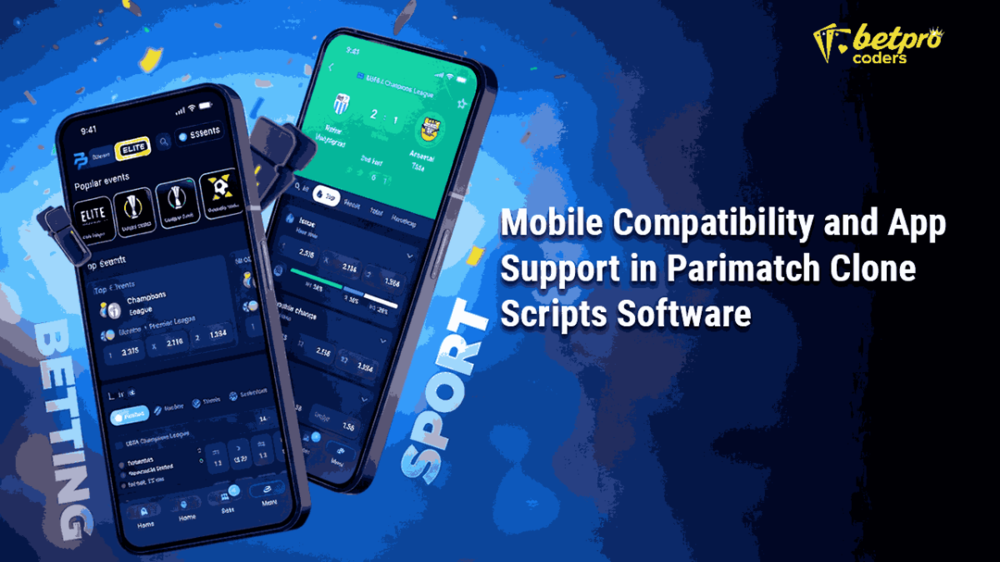
-
 Hello this is abhinav new to casino affiliate marketeing but old to the SEO for this iGaming industry i need help g some as i am starting some new projects so want to have discussion so guide me some tips to start
- 3 replies
-
- 1
-

-
- New Affiliate Marketer
- newbie
- (and 2 more)